
 Reviewed By Joana Garrido DVM
Kefir for dogs is one of the great sources of probiotics and it can make a big difference in your pet’s gut health. However, you need to understand the drawbacks this beverage has to know whether it is a suitable option for him.
What Is Kefir for Dogs?

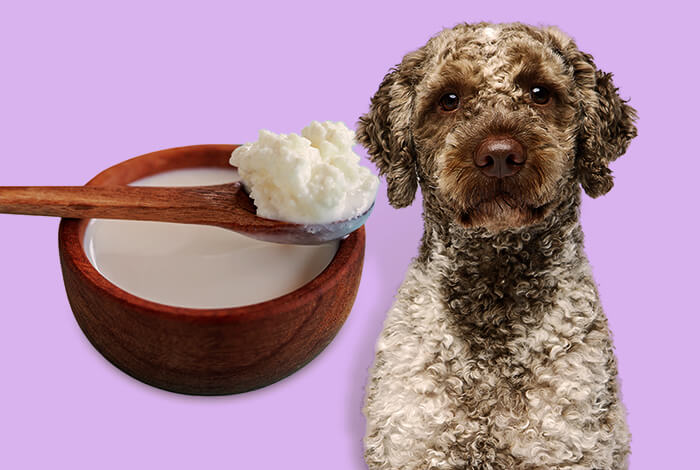
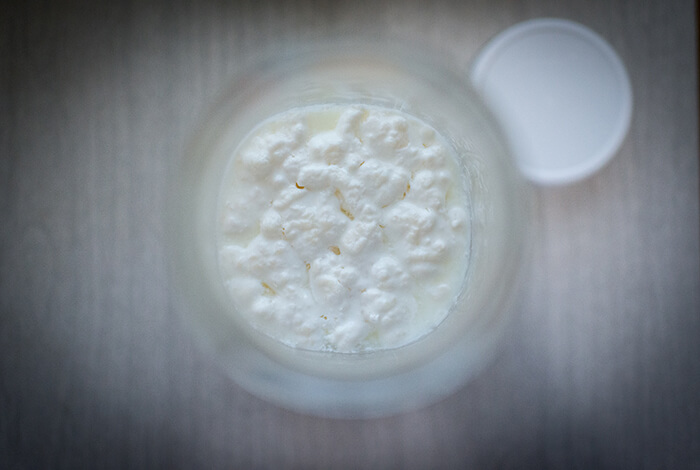
Kefir is a type of fermented beverage originating from the Caucasus Mountains in Eastern Europe. It is created by combining dairy milk with kefir grains.
The latter is composed of symbiotic colonies of lactic acid bacteria, acetic bacteria, and yeasts.
Other types of liquid can be paired with kefir grains to initiate the fermentation process. These include plant-based milk, coconut water, and even water.
Health Benefits of Kefir for Dogs
Kefir for dogs is a good source of bone-strengthening minerals like calcium, phosphorus, and magnesium. It also provides B-complex vitamins, vitamin A, vitamin D, and vitamin K to canines.
However, this beverage is more well known for its impressive probiotic content. It is said to house over 30 different strains of good bacteria that promote a healthy gut in dogs.
If your pet is infamous for having smelly poop, giving him kefir may aid in addressing this dilemma. In a study, experts separated 21 Golden Retrievers into 3 groups, with 2 of these groups fed different doses of kefir.
According to the results, dogs taking this beverage have lower levels of fecal ammonia. It is a compound that contributes to making dog poop excessively foul-smelling.
As we have mentioned, numerous probiotics are present in kefir for dogs. One study mentioned that administering kefir to healthy dogs for 2 weeks boosted the population of friendly bacteria in their gut and improved their intestinal microbiota.
Veterinarians often prescribe probiotics to dogs on antibiotics since the medications target both healthy and harmful bacteria in the body, including those in the digestive tract.
It can weaken the immune system of dogs and leave them more vulnerable to developing ailments.
With this in mind, kefir for dogs might be a good addition to diets of pooches taking antibiotics. However, make sure to check with a vet or a certified vet nutritionist to ensure that it will not cause any drug interactions.
2 Downsides of Kefir for Dogs

You might be tempted to give your furry pal kefir immediately after knowing its health benefits. However, do not skip learning about its potential side effects to find out how you can safely incorporate this healthy beverage into your diet.
1. Gastrointestinal Distress
Most canines need a slow introduction to new food to avoid upsetting their sensitive stomachs. If you want to share kefir with your dog for the first time, do it in small amounts.
Always keep an eye on him for gastric side effects like diarrhea, gas, stomach pain, and bloating. If he does not exhibit these symptoms, you can gradually work your way up.
On the other hand, if your furry friend experiences stomach upset, you might need to lower the dosage amount of kefir for dogs for a few days before starting to increase it again.
2. Trigger Dairy Sensitivity
Dairy allergy is relatively rare in dogs, but lactose intolerance is quite common. Most pooches are born with an enzyme called lactase, which helps them digest their mother’s milk during puppyhood.
However, the lactase production of puppies gradually slows down after they are weaned.
Since their main source of nutrition is not their mother’s milk anymore, their bodies see no need to produce more of the enzyme. As a result, adult dogs are often lactose intolerant.
Keep in mind that classic kefir for dogs is commonly made from cow’s milk or goat’s milk. While fermentation significantly reduces its lactose content, some dogs are more sensitive than others.
If your canine friend has dairy allergies or intolerance, there are dairy-free alternatives like plant-based milk, coconut water, or water kefir.
The nutritional content of each kefir variation may differ from each other. For instance, one study shows that water kefir has a lower protein and fat content than its milk counterpart. Another study also found that probiotic strains are distinctive in every kefir type.
What Is the Ideal Dosage of Kefir for Dogs?
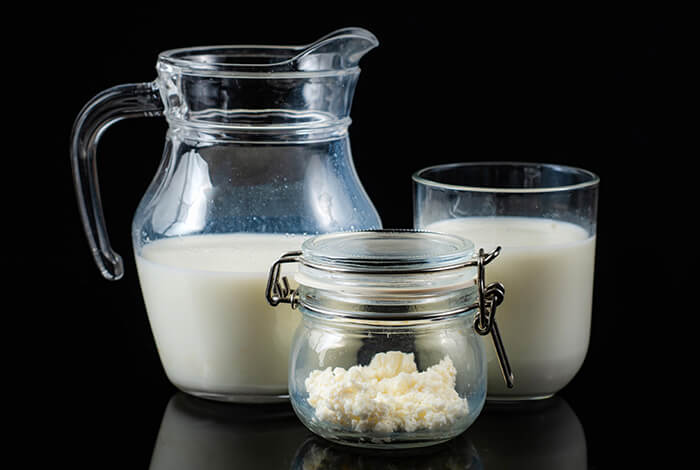
Although kefir offers several health benefits to your pet, make sure to give it to him in moderation to avoid unnecessary side effects. Here is a chart detailing how much of this beverage you can add to your dog’s diet depending on his size:
| Pet’s Weight | Recommended Dosage Per Day |
|---|---|
| 16 to 32 pounds | 1 to 2 teaspoons |
| 32 to 48 pounds | 2 teaspoons |
| 48 to 64 pounds | 2 to 3 teaspoons |
| 64 to 80 pounds | 3 teaspoons |
| 80 to 100 pounds | 3 to 4 teaspoons |
We suggest starting with ¼ teaspoon if your dog is still new to consuming kefir. You can slowly increase the amount daily until it reaches the recommended dosage if he does not exhibit signs of gastric distress.
Kefir for dogs can be served as is, but it can be frozen into a treat or simply used as a dog food topper. If you enjoy making other homemade doggy snacks, it is a healthy ingredient that you can add to your recipe.
How to Create Homemade Kefir for Dogs?

Making kefir at home will save you money in the long run since kefir grains can be reused many times. We will walk you through the process of crafting this beverage for Fido:
- In a clean jar, place 1 tablespoon of kefir grains and 1 cup of milk. Be sure to leave at least an inch of space at the top.
- Using a rubber band, securely tie 2 to 3 layers of cheesecloth or paper coffee filter on the jug’s opening.
- For kefir fermentation to take place, put the jug in a warm area, but away from direct sunlight, for approximately 24 hours. The ideal temperature ranges between 65 and 85 degrees Fahrenheit.
- Once the kefir for dog’s consistency looks like buttermilk, it is ready. Avoid leaving the beverage for too long as it can curdle into kefir cheese.
- Strain it into another jar using a fine mesh strainer and tightly cover with a lid.
- When not in use, you can store the kefir for dogs in the fridge for around 2 weeks.
Keep kefir grains in the freezer if you do not intend to use them for a while. Make sure to rinse them first with unchlorinated water and pat dry with a clean cloth or paper towel.
Coat the kefir grains with milk powder before storing them in a ziplock bag. They can last for over a year in the freezer.
FAQs About Kefir for Dogs?
1. Can I Use Coconut Milk for Kefir for Dogs?
Yes, you can use coconut milk for kefir for dogs. If you want to create this type of kefir at home, simply follow the instructions that we have shared above. You can simply switch out dairy milk with coconut milk.
2. Can I Give Kefir to My Dog Every Day?
Yes, you can give kefir to your dog every day, but make sure not to overdo it. Adhere to the dosage recommendations to avoid the manifestation of unwanted side effects like gastric distress.
If it is your pet’s first time consuming kefir, offer this fermented beverage in small amounts. Monitor him closely in case he exhibits signs of dairy allergy or intolerance. If he does, try dairy-free versions of kefir.
Conclusion
Kefir for dogs is a powerhouse of probiotics that can significantly boost the gut health of your furry friend.
It can reduce stinkiness of poop, increase the population of good gut bacteria, and strengthen the immune system, especially for dogs on antibiotics.
Just be careful when incorporating kefir for dogs into your pet’s diet. Avoid excessive consumption as it can lead to GI problems. If he has dairy sensitivity, you might want to choose plant-based milk, water, or coconut milk kefir.