

 Reviewed By Joana Garrido DVM
Cushing’s disease in dogs, also known as hyperadrenocorticism, is fairly common in dogs in the U.S. According to studies, 1 to 2 canines out of 1,000 are diagnosed with this illness.
The presence of this disease potentially indicates a more serious health issue. Thus, it must be detected early to know the next steps needed to treat this disease.
We will guide you through understanding the nature of Cushing’s disease in dogs, its causes, as well as dietary changes that can help manage it.
What Is Cushing’s Disease in Dogs?
Cushing’s disease in dogs is a result of excessive cortisol production by the adrenal glands.
These organs work together with the pituitary gland, which is found at the base of the brain, to regulate the release of various hormones, including cortisol.
Cortisol has several vital functions in the body, including managing stress levels and controlling various body processes, such as immune response, inflammation, blood pressure, and blood sugar level stability.
Dogs with high cortisol levels are more vulnerable to developing serious secondary health issues such as cardiac problems, diabetes, and kidney damage.
What Are the 3 Types of Cushing’s Disease in Dogs?
Cushing’s disease in dogs can be classified into 3 types by basing on its causes.
1. Pituitary-Dependent Hyperadrenocorticism
This is considered the most common form of Cushing’s disease. This condition occurs when a pituitary tumor grows on the brain, triggering the pituitary gland to release too much adrenocorticotropic hormone (ACTH). In turn, it prompts the adrenal glands to overproduce cortisol.
The size of pituitary tumors ranges from small to large, and they can either be benign or malignant. Canines with large or malignant pituitary tumors have a less promising prognosis.
2. Adrenal-Dependent Hyperadrenocorticism
This type of Cushing’s disease in dogs happens due to an adrenal tumor. It is the second most prevalent form of hyperadrenocorticism.
3. Iatrogenic Hyperadrenocorticism
Unlike the first two types of Cushing’s disease in dogs, iatrogenic hyperadrenocorticism is not caused by tumor growth.
Prolonged or excessive use of steroids stimulates increased cortisol production, leading to this condition.
What Are the Symptoms of Cushing’s Disease in Dogs?
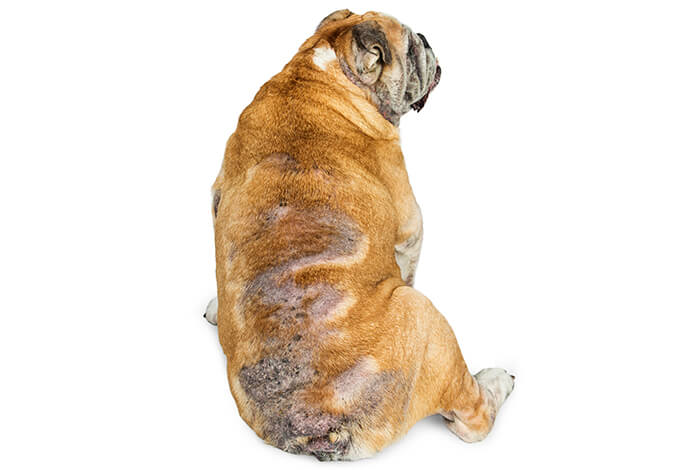
Regardless of the type of hyperadrenocorticism affecting dogs, the clinical signs that will occur are the same, including:
- Inactivity
- Chronic skin infections
- Hair loss
- Bloated stomach
- Hyperpigmentation
- Increased thirst and urination
- Ravenous appetite
Cushing’s disease in dogs can be life-threatening if not given prompt treatment. Thus, if your canine companion exhibits the symptoms we have listed above, have him undergo diagnostic testing.
The vet will perform a few blood tests to confirm if the clinical signs are definitively caused by hyperadrenocorticism.
One of them is the ACTH stimulation test, which checks the adrenal glands’ response to ACTH hormone exposure.
Your furry pal might also need other screening tests like low- and high-dose dexamethasone suppression tests. They help the veterinarian observe the reaction of your dog’s cortisol levels to dexamethasone.
If the results of these diagnostic tests confirm that he has Cushing’s disease, finding the appropriate type of treatment will be the next step.
How Is Cushing’s Disease in Dogs Treated?
Hyperadrenocorticism resulting from tumor growth can be only cured by surgically removing the lump. However, it is a risky procedure and the prognosis is not the best, especially if the tumor is malignant.
In most cases, the veterinarian will prescribe medications instead to decrease the cortisone production of the adrenal glands.
As for iatrogenic Cushing’s disease in dogs, gradual discontinuation of steroid use will be advised by the vet.
What Dietary Changes Can Help Ease Symptoms of Cushing’s Disease in Dogs?
Feeding your dog the right diet can aid in appeasing the symptoms of hyperadrenocorticism. Here are some tips that you can try incorporating into your pet’s meals:
1. Choose a Dog Food With Highly Digestible Protein Sources
Cushing’s disease can negatively impact the kidney and liver function of affected dogs.
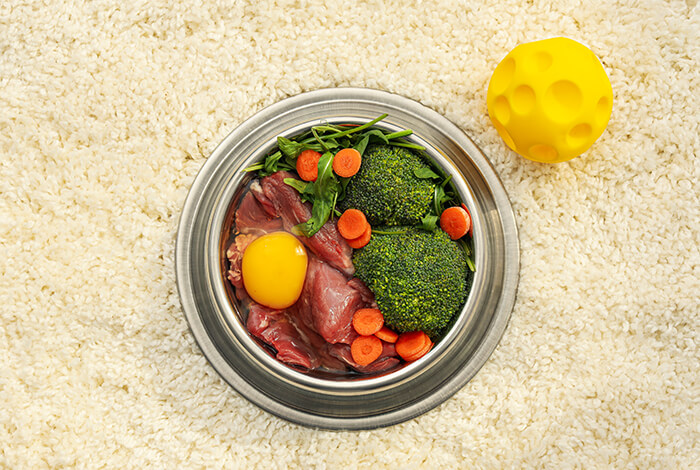
Canines suffering from these health issues can benefit from having highly digestible proteins in their food because these ingredients reduce the workload of the affected organs. Some good examples are chicken, beef, eggs, and lamb.
2. Make Sure That Your Pet’s Food Is Low in Fat
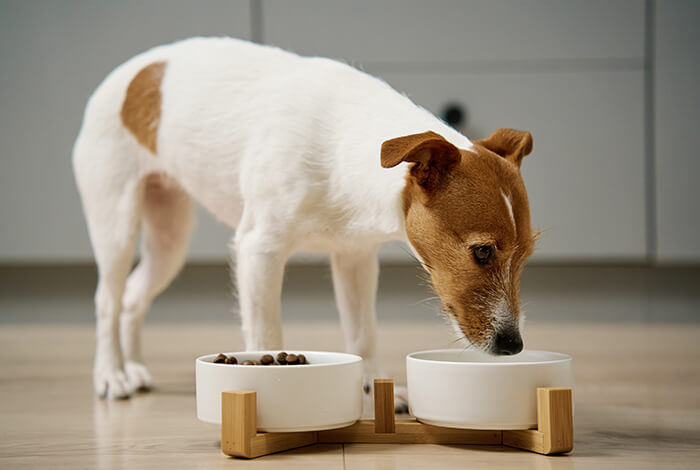
Many dogs with Cushing’s disease tend to eat more than they used to. To keep their weight in check, dog food containing less than 12% fat on a dry matter basis (DMB) is a better fit for their diet.
However, this is not applicable for underweight pooches since they need fats in their meals to gain weight.
3. Avoid High-Sodium Pet Food

One of the most common clinical signs of Cushing’s disease in dogs is increased thirst and urination. Ingesting meals loaded with salt can exacerbate these symptoms.
For this reason, it would be best to go for a low-sodium option. This type of diet is also suitable for canines suffering from hypertension due to Cushing’s disease.
4. Opt for Dog Food with Moderate Fiber

Dietary fiber can help reduce the appetite of dogs with increased appetite brought on by hyperadrenocorticism.
It also combats cholesterol levels and aids in preventing aggravation of heart problems. The ideal fiber concentration is 5 to 17% DMB.
If your pet is underweight, check with the veterinarian first because fiber can delay hunger pangs and reduce appetite.
FAQs About Cushing’s Disease in Dogs

1. What Breed of Dog Is More Prone to Cushing’s Disease?
Any dog is susceptible to Cushing’s disease, but certain breeds of dogs like Australian Shepherds, Boxers, Cocker Spaniels, Dachshunds, Poodles, and Yorkshire Terriers are more prone to developing it.
2. What Happens If You Don’t Treat Cushing’s Disease in Dogs?
If you don’t treat Cushing’s disease in dogs, your pet might develop debilitating health complications like heart problems, kidney disease, and diabetes.
Providing him with timely and appropriate treatment slows down the progression of hyperadrenocorticism and keeps its aforementioned health complications at bay.
3. How Long Can Dogs Live with Cushing’s Disease?
Dogs can live with Cushing’s disease anywhere between 1 and 3 years from the time they were diagnosed. Receiving quality care and treatment plays a key role in increasing their life expectancy.
4. What Is the Final Stage of Cushing’s Disease in Dogs?
The final stage of Cushing’s disease in dogs is usually accompanied by:
- Weakness
- Extreme lethargy
- Stiff gait
- Mobility issues
- Lumps on the skin
If these symptoms begin to appear in your canine companion, his body might not be responding well to the medications anymore. Since this will cause his quality of life to decline quickly, it is time to consider euthanasia.
Conclusion
Cushing’s disease in dogs is a serious health condition that needs timely treatment to avoid concerning health complications like diabetes and kidney problems from popping up.
Help your dog manage this condition by minding the food you offer him. Feeding him the right diet assists in mitigating symptoms linked to hyperadrenocorticism and improves his chances of living a longer life.