

 Reviewed By Joana Garrido DVM
Liver shunt in dogs is a hepatic disease pet owners should not shrug off. If left untreated, it can trigger neurological symptoms like seizures, which can be fatal.
Making the following adjustments to your pet’s diet can hinder the progression of this illness.
1. Know When to Reduce Protein Intake
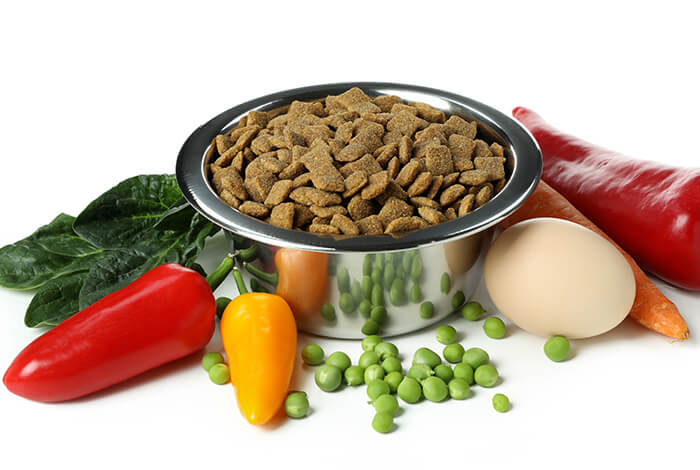
Protein restriction used to be a common advice when treating liver shunt in dogs. However, long-term reduced protein consumption has been linked to muscle wasting in pets suffering from chronic hepatic ailments.
That being said, limiting protein intake is not without benefits, but this method should be carried out on the right canine patient. It is found to be more suitable for pets with hepatic encephalopathy resulting from liver shunt.
Meals with low-quality proteins increase ammonia waste in the body, which adds to the liver’s workload. Frequent consumption causes this chemical to build up and travel to other body organs, including the brain.
Ammonia eventually impedes cognitive function, resulting in hepatic encephalopathy. For this reason, pooches with this health condition require decreased protein content in their meals.
The choice of protein source greatly matters when opting for a low-protein diet. Animal proteins like muscle meats and organ meats are more likely to worsen hepatic encephalopathy.
On the other hand, plant- and dairy-based proteins, such as soy and eggs, were found to produce better prognosis.
2. Supplement Meals With Added Fiber
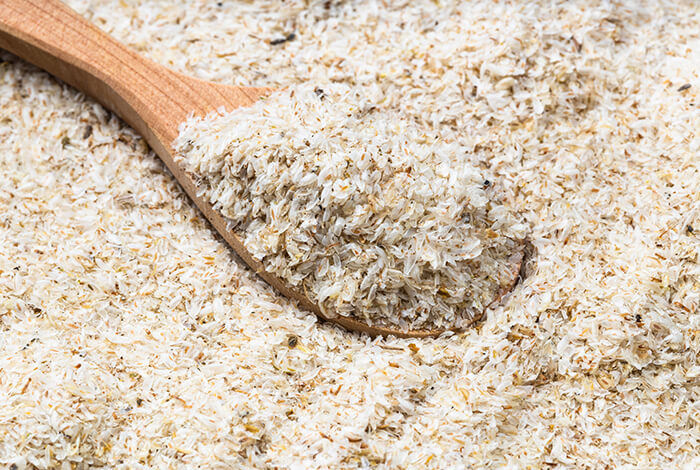
Easing liver shunt in dogs can be achieved with the help of increased dietary fiber intake. It helps combat the prevalence of nitrogen waste that contributes to elevated ammonia production in the body.
Thus, consider supplementing your furry pal’s meals with high sources of fiber, such as psyllium husk or powdered cellulose. Make sure to start with the lowest dose as excessive intake can result in gastric upset.
The ideal starting dosage for psyllium husk is ¼ teaspoon every 24 hours. If your pet does not exhibit any adverse reaction, you can gradually work up the dosage to 1 teaspoon, which should be added to his food every 12 hours.
With powdered cellulose, begin mixing 1 gram into your pet’s meals each day. Then slowly increase its amount to 3 grams and combine it with his meals every 12 hours.
3. Encourage Frequent Water Intake
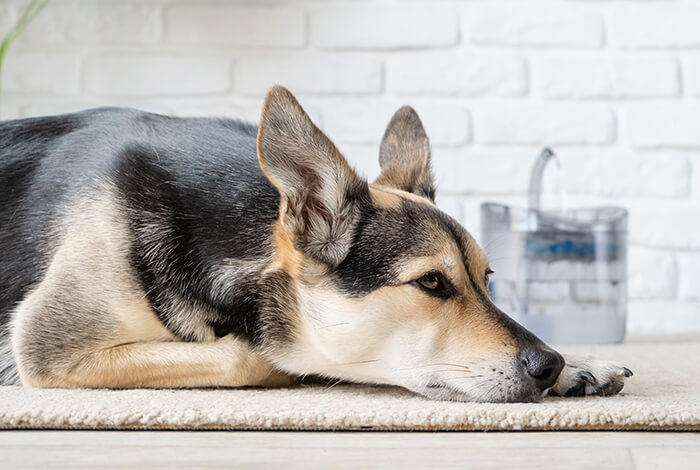
Liver shunt in dogs is associated with the development and recurrence of urate stones. Adequate water intake significantly aids in keeping this renal issue at bay.
Here are a few easy ways to keep a pet with a liver shunt properly hydrated throughout the day:
- Add water enhancers to your pet’s water bowl. Sliced pieces of dog-safe fruits and low-sodium broth are affordable options.
- Pour water into his kibble to increase its water content. You may also consider switching him to a wet food diet. However, if he is suffering from hepatic encephalopathy, make sure to check with the vet since this type of meal usually contains high protein levels.
- Place more water bowls in various parts of your home. Doing so provides more accessibility for your pet and reduces the frequency of bowls running out of water.
- Observe proper hygiene and sanitation. Always wash your pet’s water bowls daily to prevent disease-carrying bacteria from proliferating their surface. Replace water daily as it is not only sanitary but also keeps the water tasting fresh.
Increased water intake means more frequent potty breaks. Make sure to adjust your canine companion’s potty schedule to avoid dealing with accidental soiling in your home.
4. Be Wise in Choosing Dog Treats
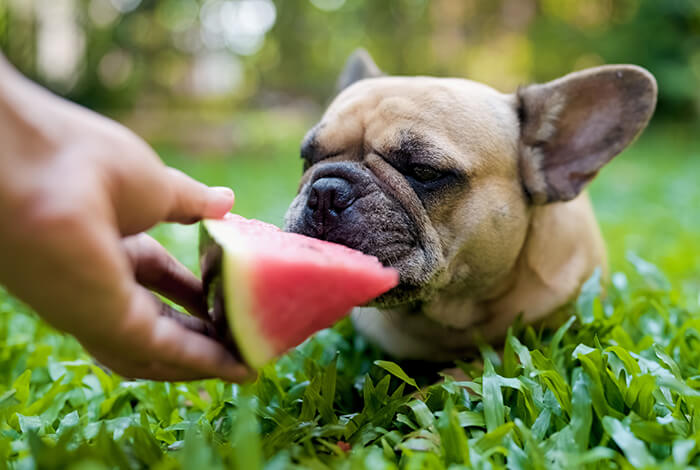
Many doggy snacks in the market are not the best choice for dogs with liver shunts. Some products provide poor-quality proteins, which are unhealthy for canines suffering from hepatic encephalopathy. Others contain high levels of sodium that contribute to urate stone formation.
With this in mind, always check the nutritional content and ingredient list of commercial dog treats. The ideal choice should be low in sodium and high-quality plant-based protein sources.
A good alternative is to opt for dog-friendly fruits and vegetables with high water content.
If your pooch shows no interest in them, think about using them as ingredients for homemade dog treats to make them more enticing for him to eat.
5. Offer Meals in Small Amounts
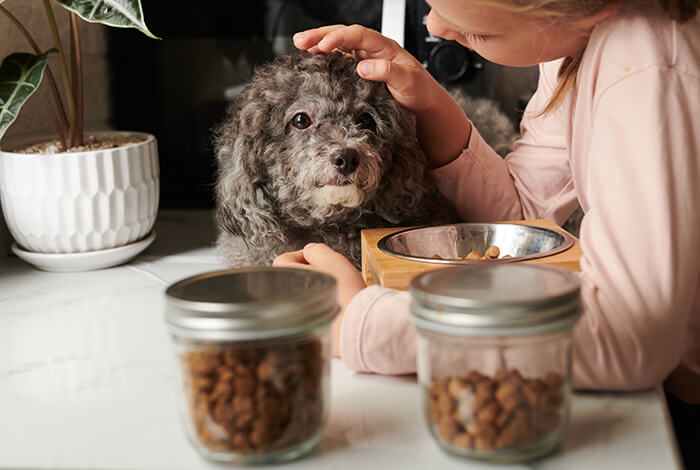
Serving large amounts of food leads the canine body to produce more ammonia, which can exacerbate liver shunt in dogs.
Hence, splitting your furry pal’s meals into smaller portions is recommended as it minimizes by-product wastes.
Feed him at least 3 to 6 times a day. Set evenly-spaced mealtimes so his liver has enough time to rest after filtering wastes from his body. Avoid missing your pet’s feeding schedule by setting an alarm on your phone.
Read: 5 Easy-to-Make Natural Dog Treats
FAQs About Liver Shunts in Dogs
1. Can You Fix a Liver Shunt in Dogs?
Liver shunts in dogs can be permanently fixed through a surgical procedure. Medication therapy and dietary modifications also help in managing this liver disease and slowing down the progression of its symptoms.
2. What to Feed a Dog With a Liver Shunt?
Dogs with liver shunts should be fed meals supplemented with dietary fiber like psyllium husk or powdered cellulose. It lowers nitrogen waste production and, in turn, reduces the presence of ammonia in the body.
If a pooch has hepatic encephalopathy, restricting protein intake and switching him to a plant- or dairy-based protein diet is beneficial for his health.
When buying dog treats, look for products composed of plant-based ingredients for dogs with hepatic encephalopathy.
In general, doggy snacks for pets that develop liver shunts should have low sodium content to reduce the risk of urate stone formation.
3. What Dog Breeds Are Prone to Liver Shunts?
Small dog breeds like Miniature Schnauzer, Bichon Frisé, Shih Tzu, and Maltese. However, large canines may suffer from this health issue too, including Australian Cattle Dog, Labrador Retriever, and Irish Wolfhound.
4. Can You Breed a Dog With a Liver Shunt?
Breeding a dog with a liver shunt is an irresponsible decision. Certain forms of this disease, such as congenital portosystemic shunt, are hereditary and can be passed on to the offspring.
There is no reliable genetic testing for liver shunt in dogs at the moment. If your dog is diagnosed with this disease, avoid using him to breed puppies.
Conclusion

Diet can play an instrumental role in preventing liver shunt in dogs from causing secondary health issues like hepatic encephalopathy and urate stones.
Thus, implementing the dietary tips we have enumerated above can help improve the constitution of a pet suffering from this liver disease.


