

 Reviewed By Joana Garrido DVM
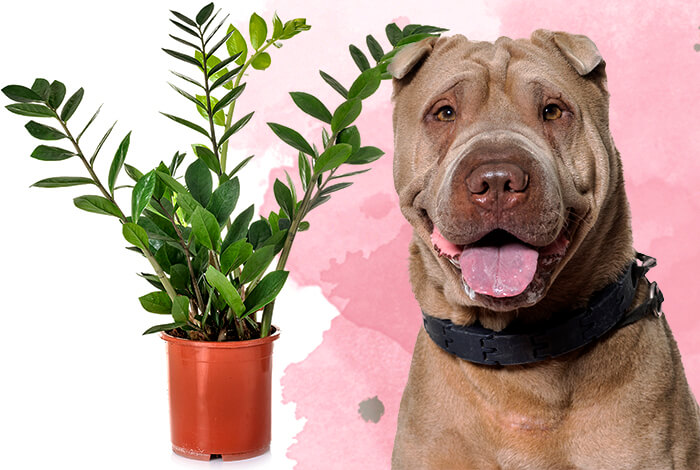
Are ZZ Plants toxic to dogs? ZZ Plants are not only toxic to dogs since they also cause dermatological problems upon skin contact.
Let’s get down to the root of its toxicity and learn what you should do if your canine companion ingests a ZZ Plant.
Why Are ZZ Plants Toxic to Dogs?

ZZ Plants are perennials that go by the names Aroid Palm, Emerald Palm, Eternity Plant, Zanzibar Gem, and Zuzu Plant.
They protect themselves from predators by producing sharp raphides called insoluble calcium oxalate crystals.
Although they are invisible to the eye, these compounds can trigger persistent skin irritation upon skin contact. The crystals embed themselves in the sensitive skin tissues, causing itchy rashes.
Most pooches are less vulnerable to these dangers because their thick fur shields them from the ZZ Plant’s raphides.
Thin-coated and hairless breeds do not possess the same level of protection. Thus, they are more likely to develop skin problems upon coming into contact with this plant.
Apart from this issue, ingesting ZZ Plants induces two adverse reactions in dogs. Chewing on this plant matter leads the insoluble calcium oxalate crystals to pierce the mouth, tongue, and throat, resulting in oral irritation.
If these offensive compounds reach the GI tract, they will interfere with the digestive process. Stomach upset may also arise if dogs consume the ZZ Plant.
How Toxic Are the ZZ Plants to Dogs?
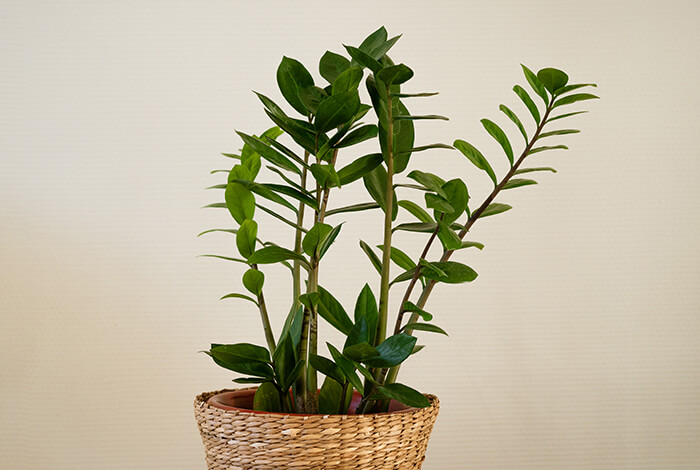
Although ZZ Plants are poisonous to dogs, their toxicity levels are low. They are not as dangerous as other plants like the Sago Palm, Castor Bean, Autumn Crocus, and Calla Lily.
In general, dogs will usually need to ingest a large amount of the plant for serious poisoning to take place. However, keep in mind that an animal’s size also determines the likelihood of toxicity.
Toy and small breeds are more susceptible to poisoning than larger dogs. Their petite bodies make it easier for toxins to get metabolized and circulated in various organs.
Thus, even if ZZ Plants have low toxicity for canines, it should not be kept around small dogs, most especially puppies.
Young dogs have more fragile bodies and sensitive digestive tracts than adult ones, making them highly vulnerable to plant poisoning as well.
What Parts of ZZ Plants Are Toxic to Dogs?
All parts of the ZZ Plant are poisonous to your canine friend. So make sure that he does not have access to them. If you are keeping one as a decorative ornament in your home, place it in elevated areas where he cannot reach it.
Be sure to keep a close eye on your plant as well. Dispose of any fallen leaves and other plant matter before your dog ingests them.
Always wear gloves to avoid getting insoluble calcium oxalate crystals on your skin. Wash your hands after tending the ZZ Plant, just to be sure that none of these harmful compounds are sticking to your skin. Avoid touching your pet until you have done this precautionary measure.
What Are Symptoms of ZZ Plant Toxicity in Dogs?

If your pooch ingested a ZZ Plant, these are the following clinical signs that may potentially occur:
- Abdominal discomfort
- Vomiting
- Diarrhea
- Incessant itching in the mouth, tongue, and throat
- Burning sensation in the mouth
- Constant pawing of the mouth
- Hypersalivation
Skin irritation may take place if your dog has direct contact with the plant. Watch out for inflamed, itchy skin with rashes.
While ZZ Plant poisoning in dogs is rarely life-threatening, the adverse reactions associated with it are still concerning and should be dealt with properly. Delaying appropriate treatment can lead to health complications like severe dehydration.
What To Do If Your Dog Has Ingested a ZZ Plant?

Keep your pet away from the plant in case he tries to go for a second bite. Then proceed rinsing the areas of his body that came into contact with the plant.
You can use a wet cloth for this. Using a hose is also fine, but make sure that it has a gentle flow to avoid causing your dog further distress.
Once you have dried him down, collect relevant information about his ingestion of the ZZ Plant, including:
- Parts of the plant ingestion
- Estimated amount of plant matter he has consumed
- Approximate time when the incident happened
- Any symptoms of poisoning that have manifested
All of this information is handy for deciding what to do next. Share these details with your trusted vet, and they will determine if your pet is fit for at-home treatment or needs immediate medical treatment.
If they recommend the latter, take a sample of the ZZ Plant with you. It will help them determine the right diagnosis and treatment for your furry pal.
How Is ZZ Plant Toxicity In Dogs Treated?
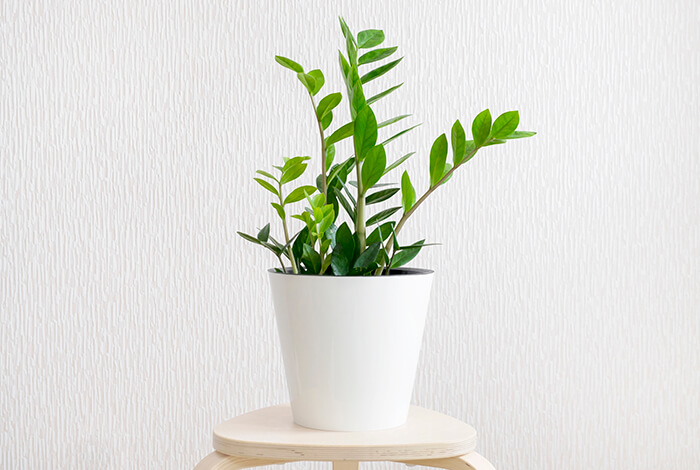
There is no antidote to the poisonous compounds of the ZZ Plant. The best treatment the vet can provide is supportive care that aids in stabilizing your dog’s condition.
They will induce vomiting if your pet’s ingestion of the plant is caught early. Making him throw up removes any undigested plant matter in his digestive tract and prevents its crystals from irritating the stomach.
Dehydration may occur if vomiting and diarrhea have not subsided. Thus, IV therapy will be administered to keep your dog’s electrolyte and water levels from dangerously going low.
The vet will also give medications like anti-emetics to assuage GI distress. Skin irritation will be resolved by administering topical treatments, such as an anti-itch ointment.
FAQs About Are ZZ Plants Toxic to Dogs
1. How Toxic Are ZZ Plants to Dogs?
ZZ Plants are only mildly toxic to dogs, but small breeds are more susceptible to its poisonous compounds.
Their tiny bodies easily accumulate them, which can lead to an emergency.
So if you own a puppy or a toy dog breed, never let them near ZZ Plants.
2. What Happens If a Dog Eats a ZZ Plant?
If your dog eats a ZZ Plant, the insoluble calcium oxalate crystals in it will upset his stomach. Chewing on them causes oral irritation while direct contact leads to the development of itchy rashes.
3. What to Do If You Touch a ZZ Plant?
Immediately wash your hands thoroughly with soap and warm water if you touch a ZZ Plant. Touching your dog without doing this step could transfer the irritating crystals from your skin to his.
Conclusion
Are ZZ Plants toxic to dogs? ZZ Plants are toxic to dogs due to the insoluble calcium oxalate crystals present in their entire body. Eating them leads to oral irritation and gastric problems like vomiting and diarrhea.
On the other hand, coming into contact with ZZ Plants causes contact dermatitis. Due to these health risks, we advise against growing one in your home unless you can place them in a secure and inaccessible area.