


 Reviewed By Joana Garrido DVM
Is honeysuckle toxic to dogs? Yes, honeysuckle is a toxic plant to dogs. Some of its species have higher toxicity levels than others.
Ingesting them reportedly leads to GI distress, and severe forms of poisoning cause alarming health problems like heart issues.
Find out what type of honeysuckle can seriously threaten your furry friend’s health.
Why Is Honeysuckle Toxic to Dogs?
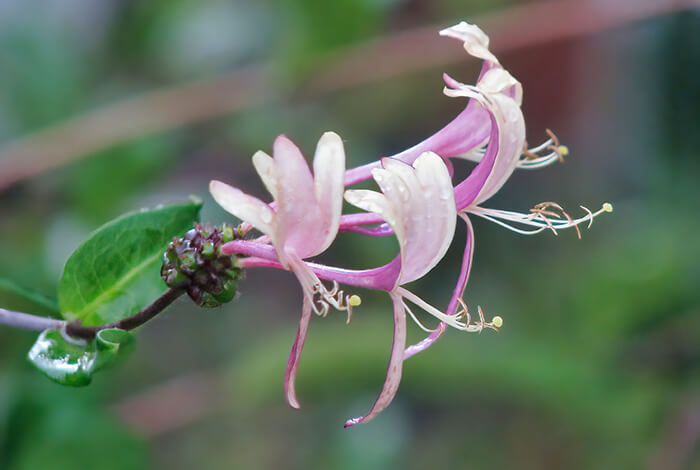
This ornamental shrub has several nicknames, including common honeysuckle, European honeysuckle, and woodbine. Its vibrant and fragrant trumpet-shaped flowers make it an enticing choice for home gardens.
However, the honeysuckle is unsafe for households with dogs because of its toxic properties. It produces cyanogenic glycosides and carotenoids that commonly cause stomach problems like vomiting and diarrhea.
Most types of honeysuckle only induce minor adverse reactions. However, a few species possess moderate toxicity like the Japanese honeysuckle (Lonicera japonica).
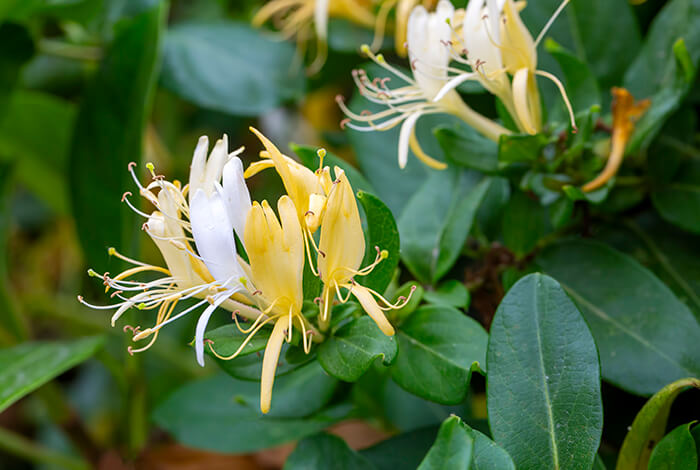
This plant variety is also known as Chinese honeysuckle, gold and silver honeysuckle, and Hall’s honeysuckle.
When consumed in excessive amounts, it can trigger concerning ailments like an abnormally fast heartbeat and convulsions.
Does the Honeysuckle Cause Other Health Issues to Dogs?

The honeysuckle has reportedly caused contact dermatitis in humans, with some experiencing anaphylaxis.
In dogs, the risk of skin irritation is low in breeds with thick coats as it protects them from the plant’s offending compounds.
On the other hand, thin-coated and hairless breeds are vulnerable to this dermatological problem due to their lack of fur.
Chewing on a honeysuckle also triggers irritation in the mouth, tongue, and throat of dogs. They might feel an itchiness and a burning sensation in the affected areas.
What Parts of the Honeysuckle Are Toxic to Dogs?
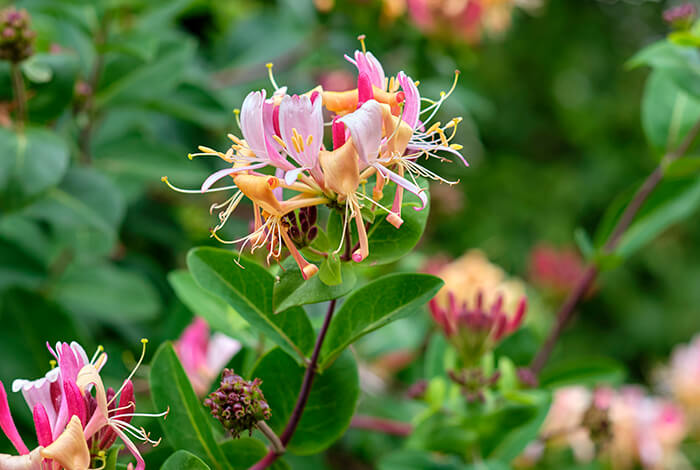
There is contention about which parts of this ornamental shrub contain poisonous compounds. Some believe that the entire plant, including its vines, flowers, and berries, harbor toxic cyanogenic glycosides and carotenoids.
Others state that berries from certain honeysuckle species are safe for consumption. Due to conflicting information, we advise against allowing your dog to eat the plant’s fruits unless you have a trusted plant expert with you.
What Are the Common Symptoms of Honeysuckle Poisoning in Dogs?
Gastrointestinal distress is typically the first sign of honeysuckle toxicity in canines. Symptoms include:
- Lethargy
- Inappetence
- Stomach discomfort
- Vomiting
- Diarrhea
Excessive ingestion, particularly of the Japanese honeysuckle species, may incite severe adverse reactions, such as:
- Rapid heartbeat
- Dilated pupils
- Convulsions
- Respiratory failure
- Coma
Be on the lookout for skin and oral irritation as well. Ingestion or coming into contact with a honeysuckle plant causes an itchy rash, which triggers a burning sensation.
Dogs will persistently lick, bite, or scratch the affected area. Those who suffer from oral irritation tend to drool excessively.
What Should You Do If Your Dog Ate a Honeysuckle Plant?
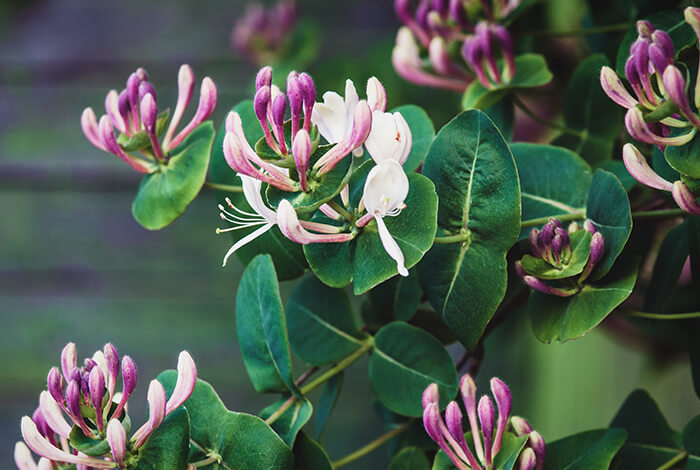
If honeysuckle ingestion has occurred, the first thing you should do is to keep your pet from going for seconds. Place him in an area where he does not have any access to this ornamental shrub and other plants.
The next step is to rinse his mouth with water. Use the lowest settings of your hose or faucet to avoid asphyxiating him with water.
A good alternative is to use a dampened, clean cloth. If you think that other parts of his body came into contact with the plant, give these areas a meticulous wipedown.
After you are done with this task, proceed to gather important information about the incident. Ask yourself the following questions:
- What parts of the honeysuckle did your furry pal manage to ingest?
- How much of the plant was he able to consume?
- At what approximate time has he eaten a honeysuckle?
- Is he showing any clinical signs of plant poisoning?
Give the vet or a pet poison helpline a call and share with them this information. If they deem that your pet’s condition a non-emergency, home treatment and close monitoring will be advised.
On the other hand, severe cases of honeysuckle toxicity require immediate medical care to prevent them from escalating.
If you need to bring your dog to the pet clinic, bringing a honeysuckle plant sample with you is a good idea. It helps the vet present accurate diagnostic results.
How Is Honeysuckle Toxicity Treated in Dogs?
The veterinarian will induce vomiting in your dog if honeysuckle ingestion happens within a few hours. Early detection means that the plant matter in his stomach is not fully digested yet.
Triggering him to throw up gets rid of this foreign matter and prevents its toxin from proliferating in his system. He might receive activated charcoal as well, which aids in removing leftover poisonous chemicals in his body.
Dehydration may occur if your canine companion continues to vomit and have diarrhea. The vet will give him an IV drip to bring back the stability of his electrolyte and water levels.
Medications will be administered to resolve honeysuckle poisoning symptoms. For example, topical ointments will be prescribed if contact dermatitis is present.
Your pooch may need antiemetics and gastro protectants if his GI problems persist.
FAQs About Is Honeysuckle Toxic to Dogs
1. Is Honeysuckle Dog-Friendly?
Honeysuckle is not a dog-friendly plant because it naturally produces toxic cyanogenic glycosides and carotenoids. These chemical compounds can make your pet sick if he ingests or comes into contact with them.
2. How Poisonous Is Honeysuckle to Dogs?
Most honeysuckle plants are mildly poisonous to dogs. However, certain varieties like the Japanese honeysuckle have moderate toxicity.
Eating them in large doses is more likely to cause life-threatening adverse effects.
3. What Happens If Your Dog Eats Honeysuckle?
If your dog eats small amounts of honeysuckle, the most common health problem that might happen is gastric upset, such as abdominal discomfort, vomiting, and diarrhea.
Excessive consumption of this toxic ornamental shrub may trigger more serious symptoms. These include an abnormally fast heartbeat and convulsions.
If these adverse reactions develop in your canine companion, send him to the vet right away. He needs immediate medical attention to prevent any health complications from arising.
4. Is Honeysuckle Scent Safe for Dogs?
The scent of honeysuckle is the only safe thing about this plant. Inhaling its fragrance will not do any harm to your furry pal. Most parts of the plant are poisonous to canines, including the vines and flowers.
The toxicity of its berries remains unclear. According to some people, the berries are edible, but others warn that fruits from certain honeysuckle species like the Japanese variety can cause poisoning.
Conclusion
Is honeysuckle toxic to dogs? Honeysuckle is unsafe for dogs due to its naturally occurring toxic chemicals like cyanogenic glycosides and carotenoids.
Consuming this plant may lead your pet to suffer from stomach problems, including vomiting and diarrhea.
More serious health issues may crop up if he ingests a large amount of it, such as respiratory failure and coma. Avoid growing a honeysuckle plant in your home to protect him from these dangers.