

 Reviewed By Joana Garrido DVM
Inflammatory bowel disease (IBD) is an uncurable gastric disorder that can affect nutrient absorption in canines and cause serious health issues. Without proper treatment, their quality of life may be severely impacted in the long run.
Know how IBD in dogs affects their overall health and learn ways to combat this GI problem using dietary changes.
What Is Inflammatory Bowel Disease in Dogs?

IBD in dogs is a result of inflammatory cells invading the intestinal tract and causing irritation. The lining becomes inflamed, which hampers normal food digestion and nutrient absorption.
There is no known official cause of this gastrointestinal issue, but some potential triggers are parasite infestation, immune system abnormality, and bacterial infections. Chronic irritation of the intestinal tract brought on by food allergens is also a potential culprit.
Some breeds are more likely to develop IBD due to genetic predisposition, such as:
- Alaskan Malamute
- Basenji
- Dobermann Pinscher
- French Bulldog
- German Shepherd
- Norwegian Lundehund
- Rottweiler
- Soft-Coated Wheaten Terrie
IBD in dogs is commonly mistaken for irritable bowel syndrome (IBS) due to their similarity in GI signs. However, they have a handful of differences. The latter is usually caused by psychological stress like anxiety while the former happens due to physical ailments.
Moreover, IBD is a long-term health issue that affects both the short and long intestines. Meanwhile, IBS occurs in the large intestine and only pops up when dogs are extremely stressed.
What Are Symptoms of IBD in Dogs?
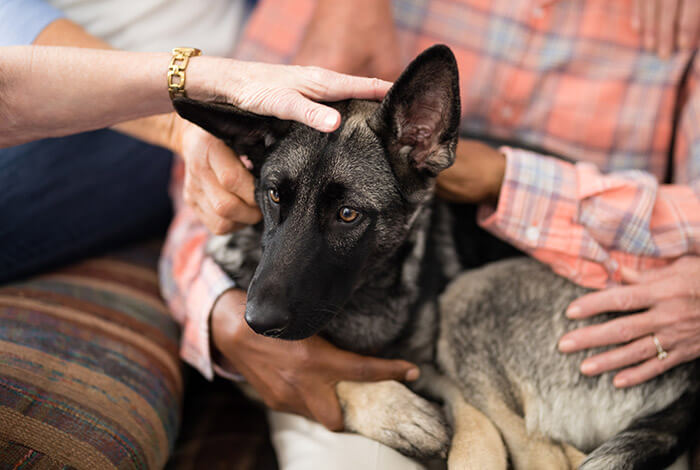
Canines affected with this bowel problem often exhibit the following clinical signs:
- Inappetence
- Frequent vomiting
- Diarrhea
- Bloody stools
- Weight loss
- Low energy
- Flatulence
- Abdominal discomfort
IBD in dogs is a chronic condition, meaning its symptoms may occur for more than four weeks. The veterinarian must properly check affected canines to determine the right course of treatment.
Diagnosis of inflammatory bowel disease in dogs is made by conducting a handful of tests, including complete blood cell count, ultrasound, and fecal tests to rule out other potential causes.
Once it is done, the vet will likely suggest a biopsy to confirm the presence of IBD in dogs.
How Is IBD in Dogs Treated?
Although this condition has no cure, IBD is manageable using the right treatment combination.
However, options may vary depending on the root cause of the illness. For instance, if it stems from a parasite infestation, deworming will be carried out.
Bacterial infections are resolved through antibiotics, while immune system disorders will be treated with immunosuppressant medicine.
Anti-inflammatory drugs will be prescribed as well to ease the irritation and swelling in the intestines.
It should be noted that many affected dogs respond well to dietary management. If this treatment option goes well, they may transition back to their original diet without problems.
Read: 4 Homemade Calming Treats for Dogs
4 Ways to Ease IBD in Dogs Using Dietary Changes
Here are the most common dietary modifications carried out for canines suffering from IBD.
Remember to consult with a veterinarian when making any changes to your pet’s meals to ensure that they meet his nutritional and medical needs.
1. Choosing Novel Protein Sources
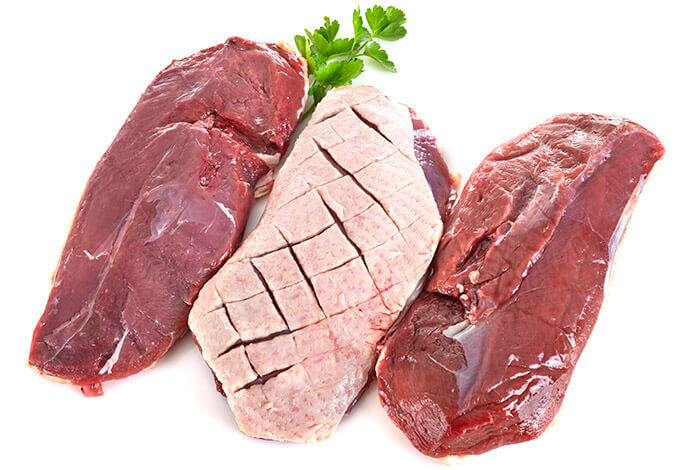
Food allergens can trigger IBD in dogs as a result of an immune response. Some top causes of food allergies in dogs are animal proteins like beef, chicken, and pork.
Thus, pet parents need to be aware of the protein sources present in their furry pal’s diets. Novel varieties such as kangaroo, venison, bison, and duck are great options since they have lower chances of causing allergic reactions.
If you want to go a step further, transitioning your pet to a hydrolyzed protein dog food can be beneficial to his condition.
This type of dog food has gone through hydrolysis, a water-based process to break down proteins into small particles. In this way, proteins become less detectable to the immune system.
Another option is limited-ingredient protein diets. They typically composed of one major protein source and one carbohydrate source to reduce the risk of allergy triggers in dogs.
2. Adjusting Meal Size and Feeding Frequency
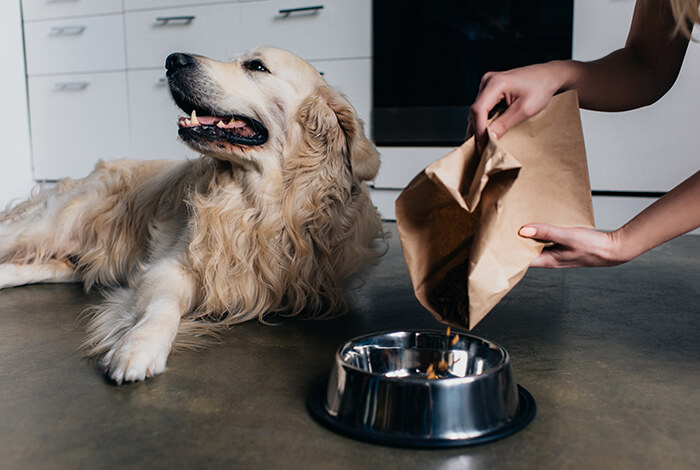
IBD in dogs makes it difficult for the stomach to break down food properly. Offering large meal portions to your canine companion will worsen his condition.
For better digestibility, divide his food into smaller quantities. Instead of feeding him one or two meals a day, increase the frequency to three or four.
This strategy helps give his digestive tract more room to rest, which aids in easing the discomfort caused by IBD in dogs.
3. Finding an Easily Digestible Dog Food
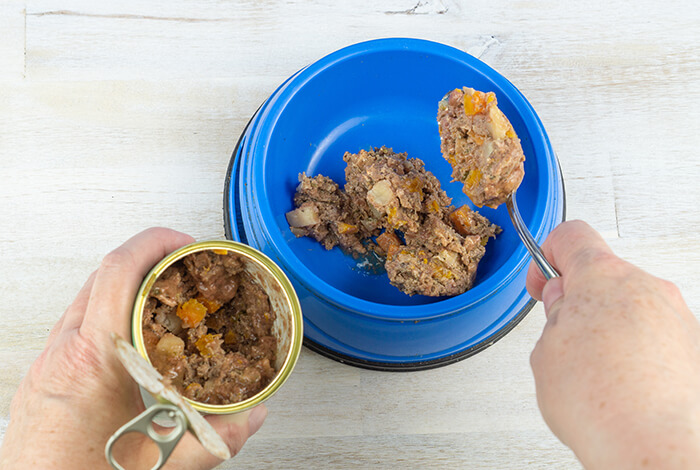
Digestibility is a crucial factor to consider when creating a diet for IBD in dogs because it helps alleviate chronic diarrhea.
Dry kibbles are more likely to exacerbate GI signs because of their hard and tough-to-digest texture. For this reason, switching to pet food with a high moisture content is recommended.
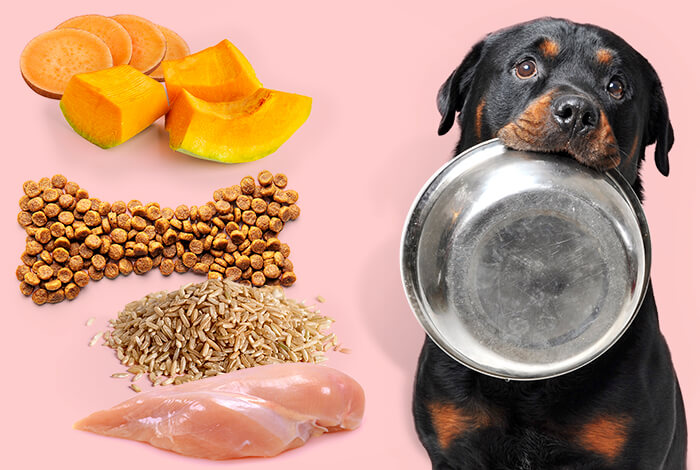
If this is not feasible, a good alternative is kibbles made with highly digestible ingredients, such as sweet potato, pumpkin, brown rice, and beet pulp.
4. Avoid Offering Table Scraps

Avoiding carelessly sharing table scraps with dogs with IBD must be followed strictly. Feeding foods that are not in their dietary guidelines may exacerbate their symptoms and increase bouts of digestive distress.
All family members must be informed and should consistently adhere to this rule. If you are expecting guests in your home, make sure to apprise them as well.
Another solution is to place your dog in a separate room whenever you have visitors around. This significantly minimizes the risk of them feeding prohibited food to your furry pal.
Additionally, do not leave meals or leftovers unattended on the table since some dogs know how to counter-surf. All rubbish bins in your home should be tightly closed so your canine companion cannot scavenge through them.
FAQs About IBD in Dogs
1. What Happens If IBD in Dogs Goes Untreated?
If IBD in dogs goes untreated, health issues like nutrient malabsorption and abdominal swelling may develop.
In the worst cases, the inflammation can cause severe damage to the tissues making up the intestinal lining. It could lead to the formation of potentially life-threatening blood clots.
2. How Many Times a Day Should I Feed My Dog With IBD?
Ideally, you should feed your dog with IBD no less than three to four times a day. Be sure to offer food in small amounts as it makes the digestive process easier for the stomach. It prevents exacerbating gastric symptoms.
3. What Is the Best Meat for Dogs With IBD?
The best meats for dogs with IBD are novel protein sources such as bison, duck, and venison. They are not commonly used in commercial dog food, making them less likely to cause IBD-triggering allergic reactions.
4. Do Dogs Recover from IBD?
Dogs can recover from IBD if given proper medical treatment and dietary changes. Although their condition is a lifelong issue, they can live a normal life expectancy as long as their health problem is managed well.
Conclusion
IBD in dogs is a chronic ailment without a permanent cure. However, there are several treatment options available to prevent its progression.
One of the most common is dietary modification, which involves choosing digestible ingredients and novel animal proteins to ease GI symptoms.
Learning how to craft the ideal diet for IBD can make a difference in your dog’s quality of life.


