


 Reviewed By Joana Garrido DVM
Are Holly berries toxic to dogs? Holly berries have chemicals that are toxic to dogs. Ingesting them rarely leads to fatality, but they can trigger bouts of unwanted gastric issues.
Let’s go into detail on why Holly berries can endanger your furry friend’s health and what you should do if he ingests them.
Why Are Holly Berries Toxic to Dogs?
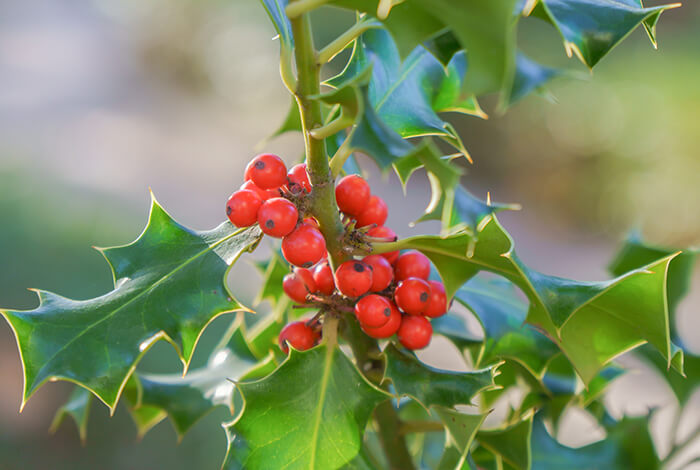
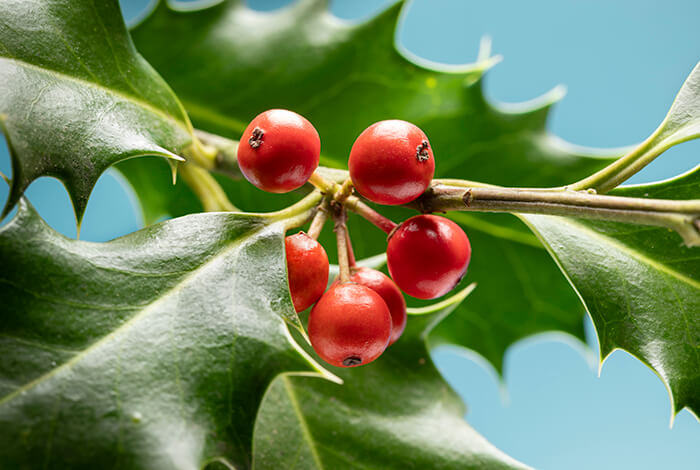
Holly berries come from the Holly plant, which is scientifically known as Ilex. In Christian belief, the shrub is best known as the symbol of Jesus Christ’s sacrifice.
Its pointed leaves represent the crown of thorns placed on his head. On the other hand, its red berries symbolize the blood he shed to rid humanity of their sins.
For this reason, the Holly plant is one of the most common ornamental plants during the yuletide season. Using it as a decor adds to the Christmas cheer in your home, but it also presents a health risk to your canine companion.
Plant species belonging to the Ilex genus, such as the American Holly, European Holly, English Holly, and Oregon Holly, contain a bunch of toxic compounds, including illicin, saponins, and methylxanthines.
Some Holly species also produce theobromine, which is a poisonous chemical to dogs commonly found in chocolate and coffee.
What Will Happen to Your Dog If He Eats Holly Berries?
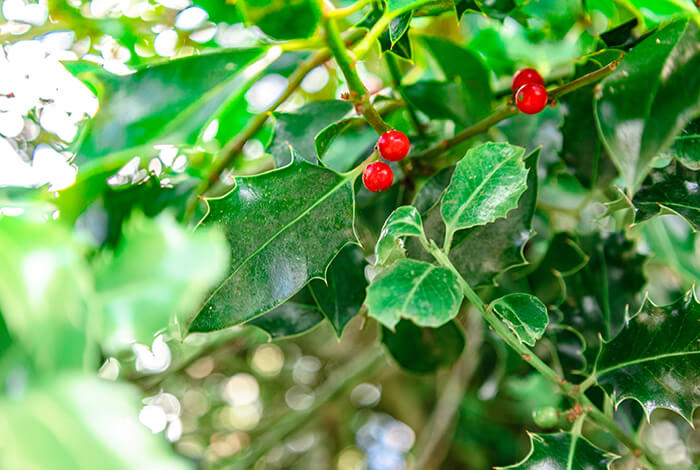
The main compounds of Holly berries responsible for causing adverse reactions in dogs are saponins. They are bitter-tasting glycosides with soap-like properties.
If ingested, these chemicals will begin to froth and produce foam when coming into contact with the gastrointestinal tract’s liquid compounds.
It triggers an irritation in the stomach lining, resulting in GI problems like vomiting and diarrhea.
What Parts of the Holly Plant Are Toxic to Dogs?
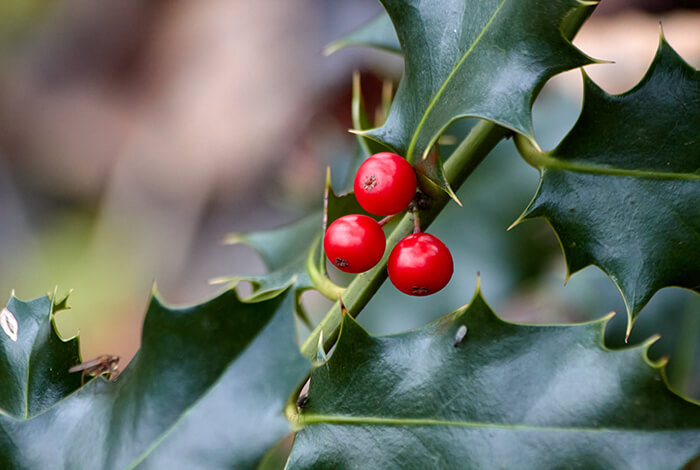
The toxins of the Holly plant are more prominent in its berries, but they can be found in the leaves as well. However, their concentrations are lower in this part of the plant.
Keep in mind that Holly berries are poisonous in their fresh and dried forms. Moreover, these fruits loosen and fall off once they become dry, which dogs might eat out of curiosity.
Thus, we advise placing Holly ornaments in areas off-limits to your dog. Also make it a habit to check these decors for any fallen berries as an additional precautionary measure.
If you grow a Holly plant in your garden, it should be securely barricaded with a sturdy fence to prevent your pooch from accessing the plant.
What Are the Symptoms of Holly Berry Toxicity in Dogs?
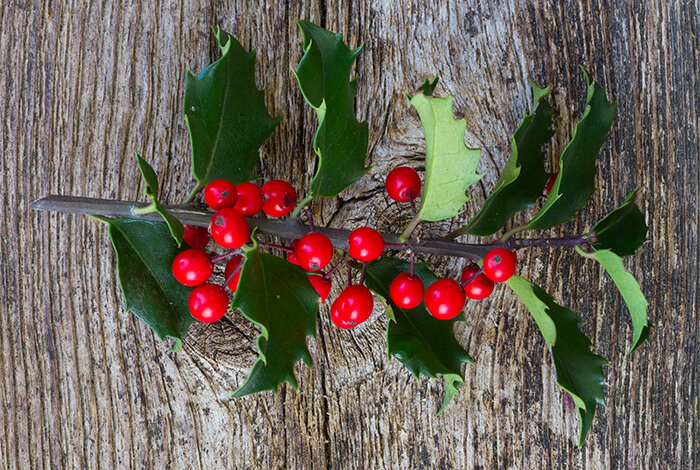
The most prevalent clinical signs in dogs are stomach problems if they suffer from Holly berry poisoning. Look out for the following adverse reactions:
- Inappetence
- Vomiting
- Diarrhea
- Nausea
- Hypersalivation
The foliage of Holly plants has pointed edges. If your canine companion chews on them, they can cause lacerations on his tongue, gums, and mouth, resulting in oral injuries and bleeding.
Ingesting Holly berries in large amounts might potentially lead to the manifestation of seizures. Fortunately, this kind of symptom happens rarely.
What Should You Do If You Caught Fido Eating Holly Berries?
Move your canine companion away from the Holly plant’s vicinity. It is an imperative action to take, especially if he has a history of dietary indiscretion.
Then check if your pet sustained any injuries in his mouth and tongue. Applying gentle pressure to these areas using a clean cloth can help slow down and eventually stop minor bleeding.
The next step you should do is collect useful details about his Holly berry ingestion. You can start with the following questions:
- Did he eat other parts of the plant?
- How much of the plant has he consumed?
- What was the approximate time when the ingestion happened?
- Is your furry pal exhibiting clinical signs of Holly berry poisoning?
Taking a photo and samples of the plant is also recommended since they might prove to be crucial in obtaining an accurate vet diagnosis.
After you have gathered all of this information, inform the veterinarian about your dog’s predicament. Severe poisoning will require hospitalization to prevent adverse reactions from causing life-threatening complications.
On the other hand, symptoms of mild Holly berry toxicity disappear within a day or two. Thus, dogs experiencing this condition can recover simply by close supervision and letting their stomach rest through fasting and bland diet.
How Is Holly Berry Toxicity in Dogs Treated?
Inducing vomiting will be performed if Holly berry ingestion happened only a few hours before affected dogs were sent to the animal clinic. Not enough time has passed for the plant matter to be fully digested yet.
So making pooches throw up removes it from the stomach along with its toxins.
To further cleanse the GI tract, the vet might administer activated charcoal, which soaks up saponins and keeps them from getting absorbed into the canine body.
Severe dehydration is a concern if vomiting and diarrhea are present. To counteract water loss and electrolyte imbalance, affected pets will be given IV fluid therapy. This type of treatment also excretes toxins from the body through urine.
The veterinarian will also dole out medications to manage symptoms of poisoning. Anti-inflammatories, anti-nausea, and gastroprotectants will be prescribed to reduce swelling and irritation in the stomach.
FAQs About Are Holly Berries Toxic to Dogs?
1. Are Holly Berries Toxic to Dogs and Humans?
Yes, Holly berries are toxic to dogs as well as humans. The adverse effects they cause people are also gastrointestinal upsets.
With this in mind, ensuring the safe placement of the plant is essential for the safety of all family members, particularly children and pets. Any Holly plants or ornaments should be placed in high places, like tall shelves.
2. How Many Holly Berries Will Kill a Dog?
There is not enough information about the number of Holly berries it will take to kill a dog. According to one source, ingestion of 20 berries has led to the death of a large dog breed.
If we use this as a frame of reference, fatalities can occur in medium and giant dogs if they consume approximately this amount of berries.
On the other hand, life-threatening toxicosis may occur in small breeds if they eat only a few since their diminutive bodies are more likely to accumulate toxins quickly.
Conclusion
Are Holly berries toxic to dogs? Holly berries naturally produce chemicals like saponins that make them toxic to dogs.
When ingested, they cause stomach irritation due to their soap-like properties, which foam up upon contact with liquids in the GI tract.
Affected pooches typically experience nausea, vomiting, and diarrhea. Oral injuries may also occur if they ingest the sharp Holly leaves.
For this reason, make sure to keep the Holly plant away from your pet, especially during the Christmas season.