
 Reviewed By Joana Garrido DVM
Are succulents poisonous to dogs? Not all succulents are poisonous to dogs. Most are considered pet-friendly, but a few contain harmful compounds that can cause troublesome adverse reactions in canines.
Here are 7 types of succulents dog owners should avoid growing in their homes to keep their furry friends safe:
1. Aloe Vera
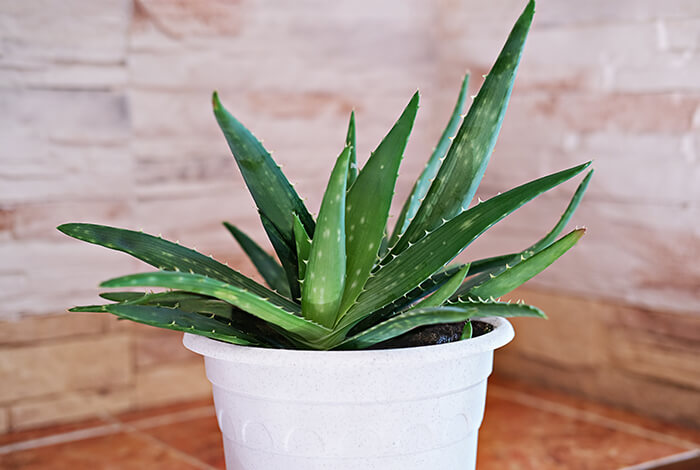
Scientific name: Aloe barbadensis
Alternative names: Aloe, Barbados Aloe, Medicinal Aloe, Medicine Plant. True Aloe
The numerous medicinal uses of aloe vera make it a popular succulent. Its gel is known to promote hair growth, soothe minor burns, and improve digestive health.
However, pawrents should be wary of the sap or latex inside the plant’s leaves. A naturally occurring toxin called aloin is found in this part of the aloe vera. It can cause skin irritation upon skin contact.
When ingested, the sap triggers stomach upset in dogs. Abdominal cramps, vomiting, and diarrhea are the most common GI symptoms that may arise.
If you plan to use aloe vera in home remedies for dogs, remove the latex by draining it out of the plant.
Cut a leaf by its base, rinse it thoroughly with water, and then place its base down in a glass. Wait for 15 to 20 minutes for all the yellow sap to drip out of the leaf.
2. Kalanchoe

Scientific name: Kalanchoe
Alternative names: Chandelier Plant, Devil’s Backbone, Mother-in-Law-Plant, Mother of Millions, Mother of Thousands
The toxicity of the kalanchoe plant is attributed to bufodienolides, a type of cardiac glycoside. Ingesting the chemical induces stomach problems like nausea, vomiting, and diarrhea. Direct contact with the plant may also irritate the skin.
If consumed in large doses, the plant’s toxic properties negatively alter the concentration of sodium and potassium levels in the body. These sudden changes affect the cardiac function of canines, causing heart arrhythmias.
Bufodienolides are present in several parts of the kalanchoe. Its flowers, fruits, leaves, roots, sap, seeds, and stems are off-limits to canines.
3. Euphorbia
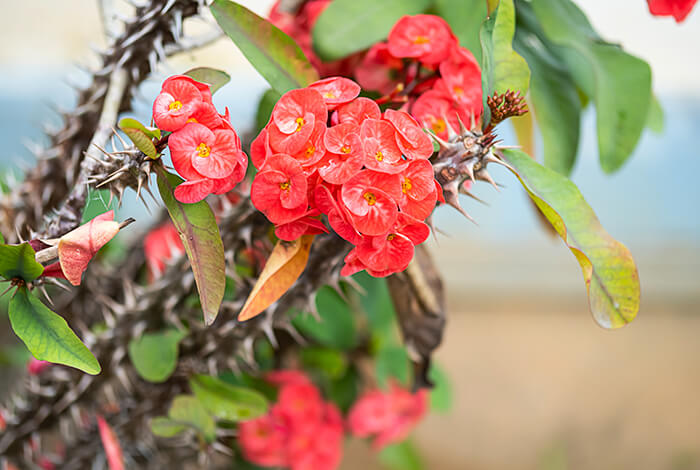
Scientific name: Euphorbia
Alternative names: Spurge
The toxic threat of euphorbia to dogs is diterpene esters, which are found in its leaves, roots, sap, and stems. These chemicals are irritants that can cause contact dermatitis. Blisters and burning pain may occur in the affected area.
Pet owners must be careful that euphorbia’s sap does not come into contact with their furry friend’s eyes. Otherwise, it will result in eye irritation and may permanently damage the corneas in severe cases.
Consuming this plant will induce plenty of unsavory adverse reactions. The diterpene esters trigger a burning sensation in the mouth and bring about the swelling of oral tissues. Gastric problems like vomiting and stomach pain may also arise.
4. Jade Plant
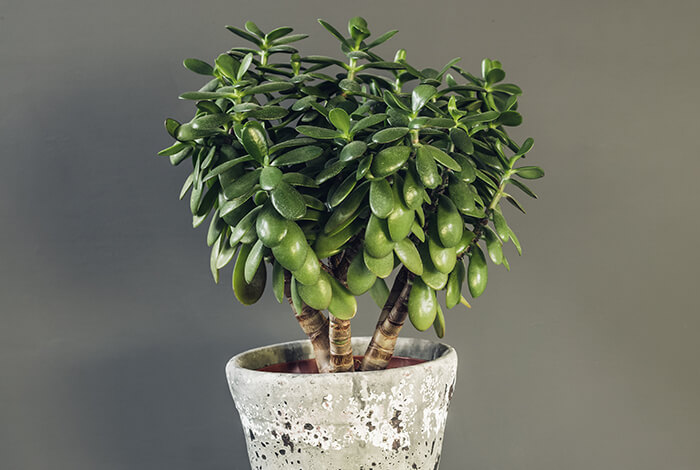
Scientific name: Crassula ovata
Alternative names: Baby Jade, Chinese Rubber Plant, Dwarf Rubber Plant, Jade Tree, Japanese Rubber Plant
One of the toxic succulents to watch out for is Jade due to the alarming adverse reactions it can cause in canines.
Although mildly toxic to dogs, it is known to cause body incoordination and depression aside from vomiting and diarrhea. The toxins responsible for these symptoms are bufadienolides.
Know that Jade Plants have several lookalikes, including the Kalanchoe and Cotyledon. For this reason, in case your pooch ate either of these plant species, proper identification is imperative to determine the right treatment.
5. Snake Plant
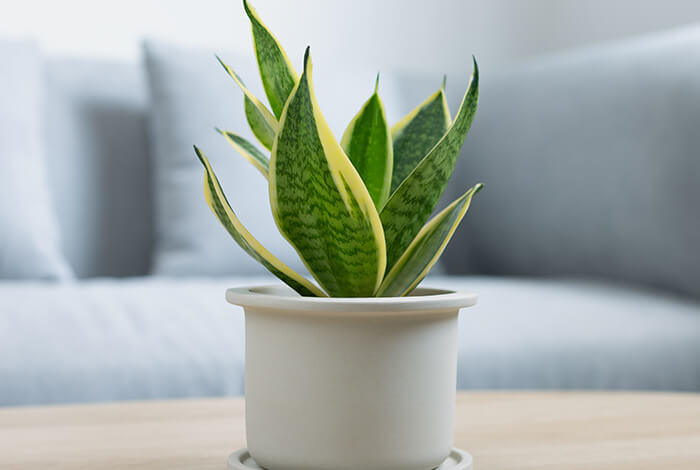
Scientific name: Sansevieria trifasciata
Alternative names: Mother-in-law’s Tongue, African Bowstring-Hemp, Spear Plant, Bowstring-Hemp
Saponins are the main poisonous compounds in the snake plant. Its fruits, leaves, and sap harbor these toxins.
The most common adverse effects saponins bring about in dogs are weakness, inappetence, vomiting, and diarrhea. They are also irritants, which cause skin and mouth irritation.
6. String of Pearls
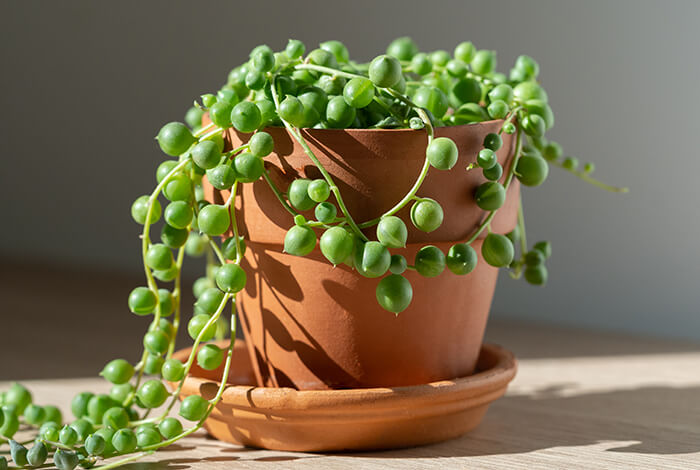
Scientific name: Senecio rowleyanus
Alternative names: Mother-in-law’s Tongue, African Bowstring-Hemp, Spear Plant, Bowstring-Hemp
String of pearls are popular decorative houseplants because of their magnificent training stems and beadlike leaves. Unfortunately, they are poisonous to pets because of pyrrolizidine alkaloids in their leaves.
These compounds have moderate toxicity and are known to cause gastrointestinal problems, oral irritation, and hypersalivation in dogs when ingested.
More serious clinical signs may appear during severe poisoning, such as abnormal heart rate, lethargy, and weakness.
7. Pig’s Ear
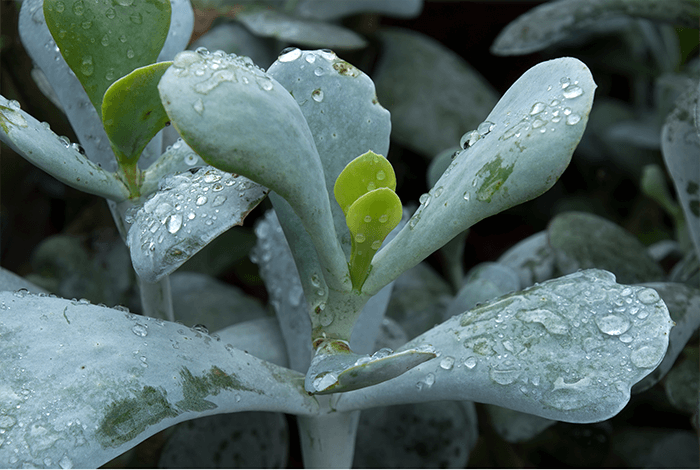
Scientific name: Cotyledon orbiculata
Alternative names: Round-leafed navel-wort
Four toxic compounds are naturally produced in the pig’s ear plant, namely, orbicuside A, B, C, and D. Coming into contact with them may result in skin irritation, rashes, and redness of the skin.
If eaten, the pig’s ear plant turns into an oral and gastrointestinal irritant. It causes a burning, painful sensation in the mouth, a swollen throat, nausea, and vomiting.
In general, grazing animals are the most vulnerable to pig’s ear plant poisoning. However, these symptoms may potentially appear in house pets as well. For this reason, pawrents are better off keeping away the plant from their pets.
Read: 12 Poisonous Spring Plants for Dogs
What Succulent Plants Are Safe for Dogs?
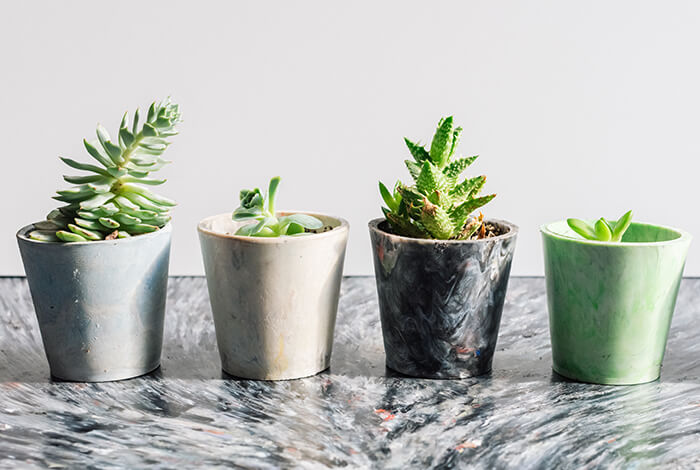
If you want to brighten your home and backyard, there are still a good number of pet-safe succulents you can choose from. Here are a few selections we have picked out for you:
- Blue Echeveria (Echeveria secunda)
- Chinese Money Plant (Pilea peperomioides)
- Copper Rose (Echeveria multicaulis)
- Hardy Baby Tears (Sedum album)
- Haworthia (Haworthia)
- Hens and Chickens (Sempervivum tectorum)
- Ghost Plant (Graptopetalum paraguayense)
- Plush Plant (Echeveria pul-oliver)
Although these succulents are nontoxic to dogs, they can cause minor problems if ingested. Keep in mind that pooches have sensitive stomachs and they do not easily break down plant matter.
Consuming nontoxic plants, especially in large amounts, can result in stomach upset. Hence, always ensure that they are kept out of your furry pal’s reach at all times.
FAQs About Are Succulents Poisonous to Dogs
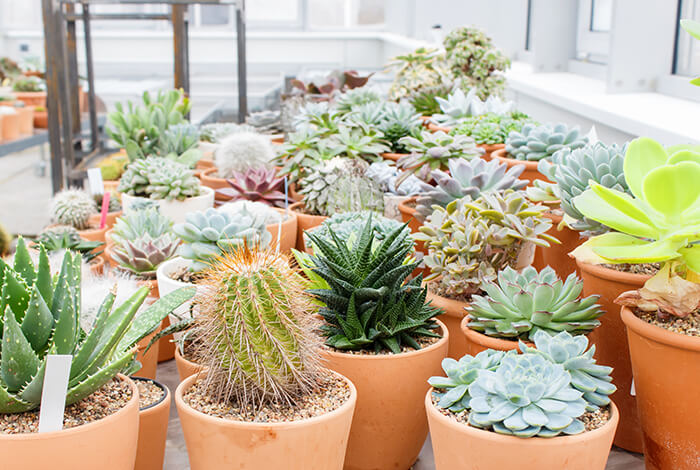
1. How Poisonous Are Succulents?
Toxic succulents are mostly classified as mildly poisonous to dogs. Thus, their harmful compounds are unlikely to cause serious adverse reactions. However, pet owners should remain cautious around these toxic plants.
The poisoning symptoms they induce are considered minor, but these are uncomfortable and sometimes even distressing for dogs. You do not want your canine companion to experience these health issues.
2. Are Jade Succulents Safe for Dogs?
Jade succulents are not safe for dogs because they produce bufadienolides, which can cause vomiting and diarrhea. Severe poisoning may result in loss of coordination and depression.
3. Is Cotyledon Toxic to Cats and Dogs?
Cotyledon is toxic to cats and dogs. Ingesting this plant can result in mouth irritation and stomach upset. Direct contact with it also spells trouble since its toxic properties trigger contact dermatitis.
4. Is Snake Plant Toxic to Cats or Dogs?
The snake plant is toxic to cats and dogs because they are both susceptible to the poisonous effects of its saponins.
If they consume this plant, they are at risk of experiencing gastric upset in the form of vomiting and diarrhea. Exposure to this plant through direct contact can lead to skin irritation.
Conclusion
Are succulents poisonous to dogs? Certain types of succulent plants are poisonous to dogs, including Aloe Vera, Kalanchoe, Euphorbia, Jade Plant, Snake Plant, String of Pearls, and Pig’s Ear Plant.
In general, they have low toxicity, but the adverse reactions they induce in pets can be alarming despite their self-limiting nature.
Thus, if possible, avoid growing them in your home or backyard to keep your dog safe from their toxic properties.