
 Reviewed By Joana Garrido DVM
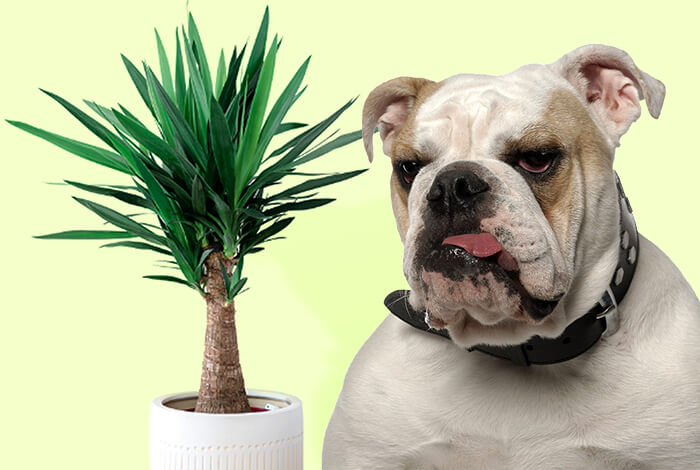
Can dogs eat Yucca? Yucca is unsafe for dogs because it harbors toxic compounds. Ingesting them can cause stomach issues and other adverse reactions.
Some species of this plant also possess dangerous parts, which can cause serious injuries. Learn the dangers of Yucca plants for your canine friend.
What Is a Yucca Plant?

Yucca or Yucca spp. is often mistaken for cassava, scientifically known as Manihot esculenta. However, these two species are not related.
The Yucca genus is composed of perennial drought-tolerant plants, shrubs, and trees belonging to the Asparagaceae family. This plant species is native to the United States, South America, and the Caribbean.
Aside from being used as an ornamental decor, some people believe that Yucca plants possess medicinal properties.
They are used to managing certain types of health issues in humans, including arthritis, diabetes, and high blood pressure.
Does Yucca Offer Health Benefits to Dogs?

The extract of the Yucca schidigera species, also known as Mojave Yucca, has shown the ability to reduce fecal odor in canines.
According to a 2016 study, adding it to dog food lowered fecal ammonia, which is a chemical that contributes to the stinkiness of the stool and gas.
Others believe that the Yucca extract also has anti-inflammatory properties that mitigate arthritic symptoms in dogs.
However, not much scientific research has been conducted to confirm this potential medicinal benefit to dogs. Thus, take this claim with a grain of salt.
Are There Risks in Letting Dogs Consume Yucca?
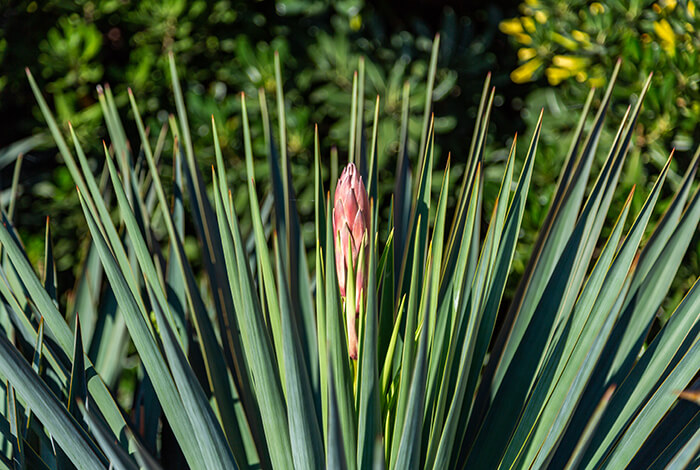
Researchers of the study mentioned above cautioned that prolonged usage of Yucca schidigera extract in high dosage may result in toxicity.
Yucca plants contain poisonous steroidal saponins in their entire body, including the root, which is the most toxic part of the plant.
Consuming these compounds can cause stomach upset in canines like vomiting and diarrhea. In large amounts, they may induce more concerning adverse reactions, such as cardiovascular and nervous system abnormalities.
Powder and extracts made from Yucca schidigera are generally recognized as safe (GRAS)-certified for human use by the U.S. Food and Drug Administration. However, this label does not guarantee safety for canine consumption.
Thus, we strongly recommend seeking a veterinarian or certified vet nutritionist’s opinion before incorporating Yucca schidigera powder or extract to your pet’s diet.
It serves as a precautionary measure to keep your dog safe from unwanted side effects of the plant.
What Are Other Dangers of Yucca Plants to Dogs?
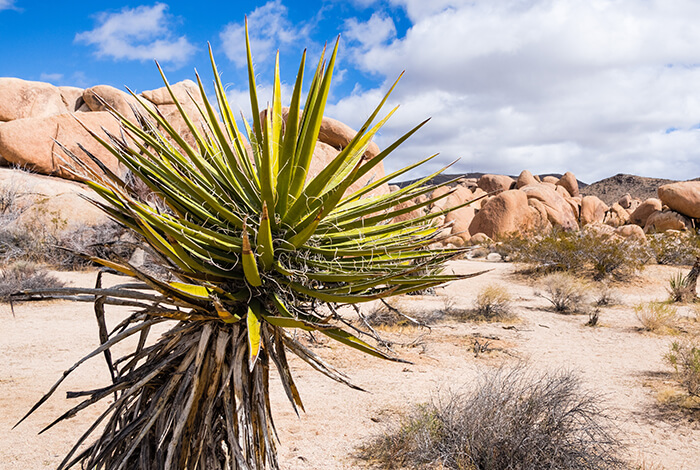
Some Yucca species have sharp-tipped leaves, like the Spanish Bayonet (Yucca alifolia), Beaked Yucca (Yucca rostrata), and Arkansas Yucca (Yucca arkansana).
Coming into contact with these plants can cause skin punctures and ocular damage.
In 2019, a dog made it to the news after his testicles got pricked by a Yucca frond. It resulted in a serious infection, which led to life-threatening shock. Fortunately, with medical intervention, he was able to recover.
If a pooch ingests Yucca plants with sharp leaves, oral and intestinal injuries may occur. The tough plant matter can potentially obstruct the digestive tract, which may potentially result in fatal outcomes.
What Are Signs of Yucca Toxicity in Dogs?
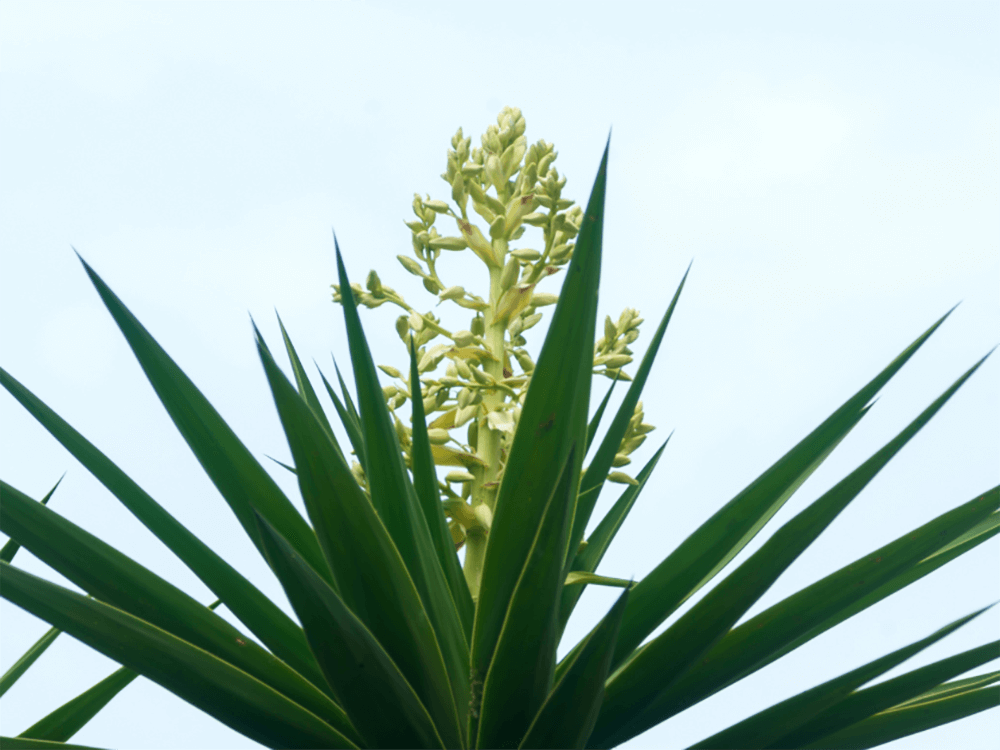
Symptoms of Yucca poisoning include gastrointestinal issues like:
- Inappetence
- Abdominal pain
- Diarrhea
- Vomiting
- Bloating
- Hypersalivation
Excessive consumption of the plant may trigger the manifestation of more serious adverse effects, such as:
- Depression
- Increased heart rate
- Lack of body coordination
- Weakness
- Seizures
Keep an eye for these clinical signs if you suspect that your pet has ingested a Yucca plant. Late diagnosis and medical intervention may lead to a poor prognosis.
What Should Be Done If Your Dog Ate Yucca?
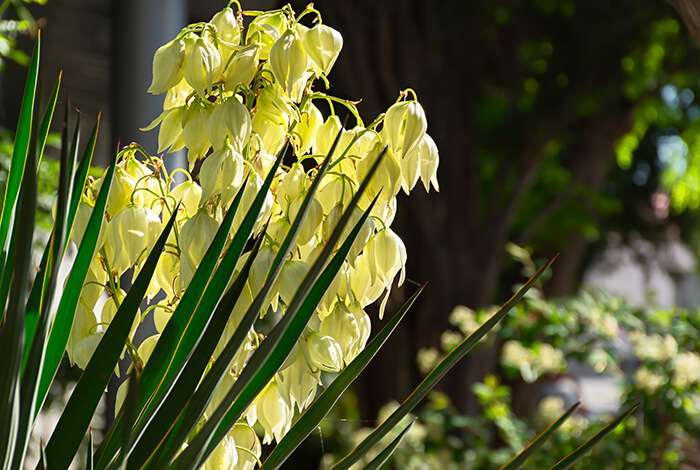
First, move your canine companion to a different area away from the Yucca. It keeps him from ingesting it and also sustaining bodily injuries from the plant’s sharp fronds.
Be sure to take a sample of the Yucca plant with you. It might come in handy during your dog’s diagnostic process if the vet requires one.
Proceed to inspect his body for any lacerations and bleeding and take note of them. Control minor tears on the skin by firmly but gently pressing sterile cloth on them.
Once you have the bleeding under control, list down important details about the Yucca ingestion that has occurred, such as:
- Type of Yucca plant eaten by your dog
- Parts of the plant he has ingested
- Estimated time of the incident
- Any Yucca poisoning symptoms taking place
Inform the vet about the information you have gathered to know if hospitalization is necessary. However, if your pet is beginning to exhibit severe clinical signs of toxicity, bring him to an animal clinic right away.
How Is Yucca Toxicity in Dogs Treated?
Early detection of Yucca ingestion allows the veterinarian to conduct emesis in affected dogs. Decontamination of undigested plant matter in the stomach will be done using the administration of hydrogen peroxide.
Intake of activated charcoal might be needed to absorb leftover toxins in the digestive tract. Certain gastric symptoms like vomiting and diarrhea can leave a dog severely dehydrated.
If the situation calls for it, IV fluids will be given to canine patients to ensure proper hydration levels.
FAQs About Can Dogs Eat Yucca
1. How Poisonous Is the Yucca Plant to Dogs?
The Yucca plant is mildly poisonous to dogs, meaning ingesting small amounts of it will not lead to life-threatening adverse effects. However, beware of the plant’s sharp leaves, which can cause serious skin, oral, and intestinal injuries.
Thus, we highly discourage pet owners from growing this plant unless proper measures are taken to keep them off-limits to pets.
2. Can Dogs Eat Yucca Leaves?
No, Yucca leaves are often sharp ends that can easily pierce your dog’s skin. Ingesting them may cause lacerations in his tongue, mouth, and lips. So make sure to keep him away from the plant.
3. What Are the Side Effects of Yucca for Dogs?
The most common side effects of Yucca on dogs are gastric problems. Minor toxicosis usually induces vomiting, diarrhea, and stomach pains.
If a pooch consumes large amounts of the plant, more alarming symptoms may take place, including fast heart rate and seizures.
4. Why Is Yucca in Dog Food?
Extract of a specific Yucca species called Mojave Yucca is used in dog food due to its ability to reduce fecal smell. Others claim that it can aid in mitigating arthritis, but it lacks sufficient research.
While Yucca extract is deemed safe for dogs, researchers warned that prolonged ingestion in high doses can result in toxicity. Make sure to check with the vet before adding Yucca extract in your pet’s meals.
Conclusion
Can dogs eat Yucca? No, eating raw Yucca plants can lead to poisoning in dogs due to the steroidal saponins they produce. These chemicals can cause stomach problems as well as neural and cardiovascular issues.
Moreover, some Yucca species have pointy tips, which can cause serious injuries if they pierce the skin.
On the other hand, Yucca schidigera extract is used in dog food as it can diminish the stinkiness of stools. Using it should be done with vet supervision since the risk of toxicity remains.