


 Reviewed By Joana Garrido DVM
Is sago palm toxic to dogs? Yes, sago palm is one of the most toxic plants to dogs. Accidental ingestion of it can quickly result in severe vital organ damage, leading to high-risk fatality.
In this article, we will take a look at the toxic principles of sago palm and learn how they negatively affect the canine body.
What Is the Sago Palm?
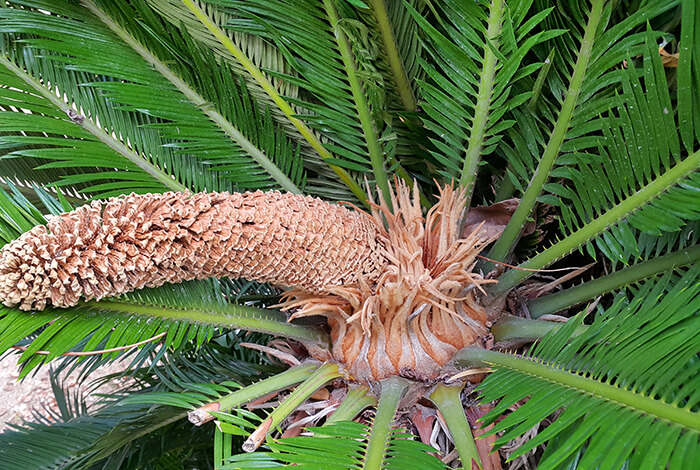
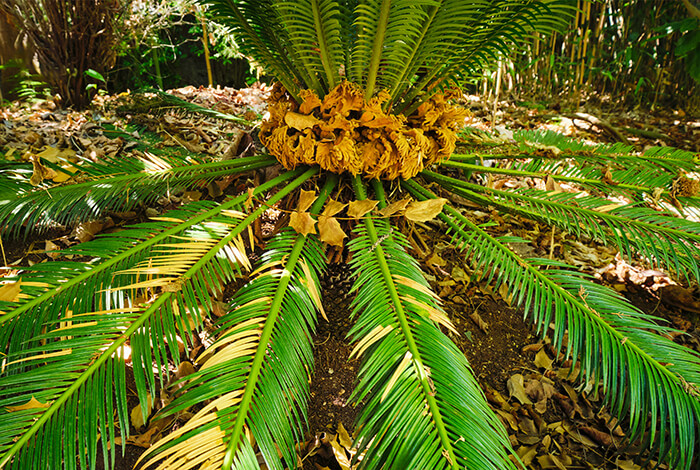
Despite its name and palmlike appearance, the sago palm is not considered a true palm. It scientifically goes by the name Cycas revoluta and belongs to the Cycadaceae family, which has over one hundred species.
This subtropical plant originated from southern Japan but has proliferated in the southern states of the U.S. as well. It has other nicknames, such as:
- Cycad
- Japanese sago palm
- King sago palm
- Coontie palm
- Cardboard palm
- Zamia
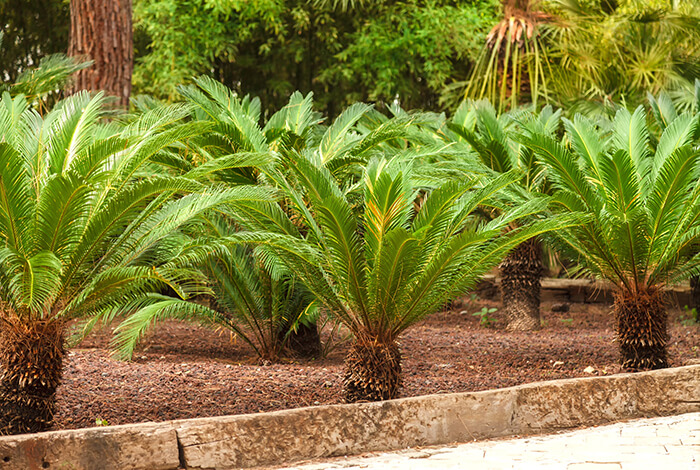
The sago plant is a relatively popular landscaping plant used to beautify gardens of many homes. Thus, knowing the life-threatening dangers this plant brings to households with dogs is critical.
Why Is Sago Palm Toxic to Dogs?
The main compound that makes sago palm poisonous to canines is cycasin. This chemical is a carcinogenic and neurotoxic glucoside observed to induce gastrointestinal distress and liver damage.
Another toxin found in the tree is β-methylamino-L-alanine (BMAA), which is a neurotoxin. Ingesting it will trigger neurological problems in dogs like lack of body coordination and seizures.
Which Parts of the Sago Palm Are Poisonous to Dogs?
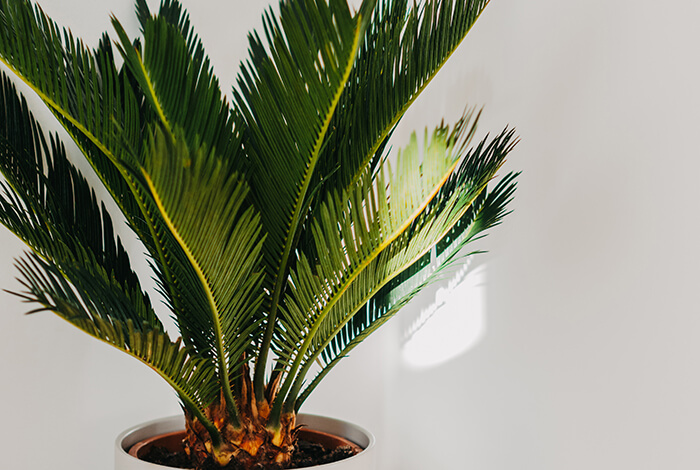
Sago palm is extra dangerous to pooches because its toxins are present in its entire body, including:
- Bark
- Flowers
- Fruits
- Leaves
- Nuts
- Roots
- Sap
Poisoning may easily take place in dogs if they eat any of the aforementioned parts of the sago palm.
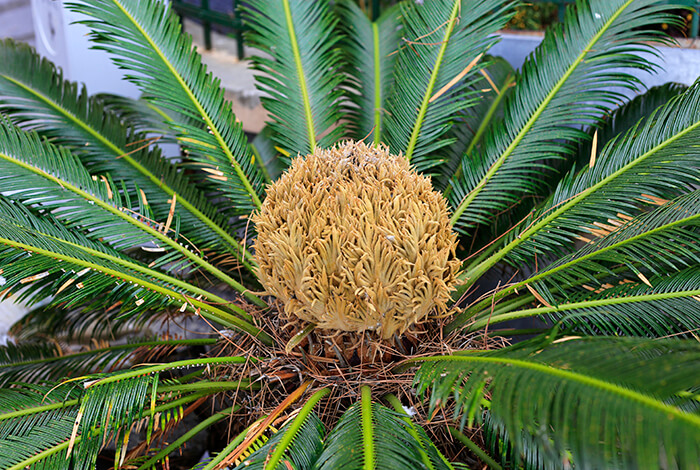
However, the risk of fatality is higher for those who consumed the plant’s nuts since they contain the highest concentrations of cycasin.
This is especially true for small dog breeds and puppies because their tiny bodies tend to accumulate toxins more quickly. It will only take ingestion of a few nuts for serious sago palm poisoning to manifest.
What Are Clinical Signs of Sago Palm Toxicity in Dogs?
Initial symptoms that commonly occur in dogs that ingested sago palm are GI problems like:
- Inappetence
- Vomiting
- Hypersalivation
- Diarrhea
These adverse reactions may appear as early as 15 minutes post-ingestion. Then typically within 4 hours, they will be followed by neurological symptoms like:
- Lethargy
- Incoordination (e.g., stumbling and wobbly gait)
- Tremors
- Seizures
- Collapse
- Coma
If medical intervention remains delayed, liver failure may develop within 1 to 3 days of ingesting the toxic plant. This condition significantly hampers a dog’s blood clotting ability, increasing the danger of internal and external bleeding.
What to Do If Your Dog Ate a Sago Plant?
Having a swift response is critical in increasing your pet’s odds of surviving sago plant poisoning. Thus, as fast as you can, gather the following important details about the plant ingestion, including:
- What is the estimated time that the incident happened?
- How much of the plant has your dog eaten?
- Which parts of the sago palm did he consume?
- Has any symptoms of plant poisoning appeared in your pet?
If feasible, make sure to take a photo and collect some samples of the sago plant. They are useful for ruling out other potential causes of adverse reactions.
Sago plant ingestion is an emergency, so drive your canine companion to the vet as soon as you can. If animal clinics are not yet open, your best bet is contacting available ASPCA animal poison control centers.
Share with them the information you have collected earlier. They will assess your pet’s condition and come up with temporary home treatments to hinder the progression of poisoning.
Read: Are Pothos Toxic to Dogs?
How Is Sago Palm Toxicity Treated in Dogs?
The veterinarian will induce vomiting if affected canines consumed sago palm only a few hours before admission to the pet clinic. As not much time has passed, the ingested plant has not been fully digested yet.
Stimulating dogs to throw up gets rid of any leftover plant matter in the stomach, hindering toxin absorption in their system.
If the situation necessitates, the vet will also administer activated charcoal, which helps in preventing the proliferation of the plant’s toxins.
Pets suffering from dehydration will receive IV fluid therapy to avoid severe depletion of electrolytes and water levels in their body. Antacids, anti-nausea medications, and gastrointestinal protectants will be prescribed if GI problems like vomiting and diarrhea continue to persist.
Dogs that sustained liver damage will need liver protectants like N-acetylcysteine. Long-term intake will be required if the organ damage is permanent.
If they developed bleeding problems, the vet may need to provide them with vitamin K1, oxygen supplementation, and blood and plasma transfusions.
FAQs About Is Sago Palm Toxic to Dogs?
1. Is Sago Palm Toxic to Dogs to Cats?
The sago palm is toxic to both dogs and cats. Upon ingestion, this plant can cause a variety of illnesses, such as gastric upset, neurological problems, and liver damage.
With this in mind, be sure that your feline and canine companions do not have access to this toxic tree.
2. What Are the Long-Term Effects of Sago Palm Poisoning in Dogs?
One of the long-term effects of sago palm poisoning in dogs is liver damage. It is a serious condition that must be closely monitored to avoid further health complications.
Once liver function is impaired, the blood clotting ability of canines becomes weakened. As a result, bleeding problems may arise, putting affected dogs at risk of severe blood loss, shock, and death.
These fatal ailments can be mitigated by liver protectants, vitamin supplementation, and, in some cases, blood and plasma transfusions.
3. How to Keep Dogs Away from Sago Palm?
Keep dogs away from sago palm by choosing pet walking routes devoid of this plant. In case you and your dog come across this toxic tree, make sure that he knows the “leave it” command.
Also, use a shorter leash when walking him outdoors. It helps prevent him from straying away and eating potentially toxic plants like the sago palm.
If this tree is growing in your garden, we suggest removing it entirely to significantly reduce the danger of accidental ingestion.
Alternatively, you can barricade it with a tall and durable fence. Clean up any fallen parts of the plant, especially the nuts, to prevent sago palm poisoning.
Conclusion
Is sago palm toxic to dogs? The cycasin and BMAA toxins housed by the sago palm are highly toxic to dogs. Ingesting any part of the tree, particularly its nuts, will likely result in fatal plant poisoning.
Affected dogs may develop GI issues like vomiting and diarrhea as well as neural problems such as incoordination and seizures. Severe toxicity causes serious damage to the liver, which might lead to its failure.
We strongly discourage pet parents from planting sago palm in their gardens. Instead, opt for dog-friendly plant varieties like Alyssum, Boston Fern, Calathea, and Fairy Fountain.